Why Do Teens Vape? Reasons, Risks and How Parents Can Help
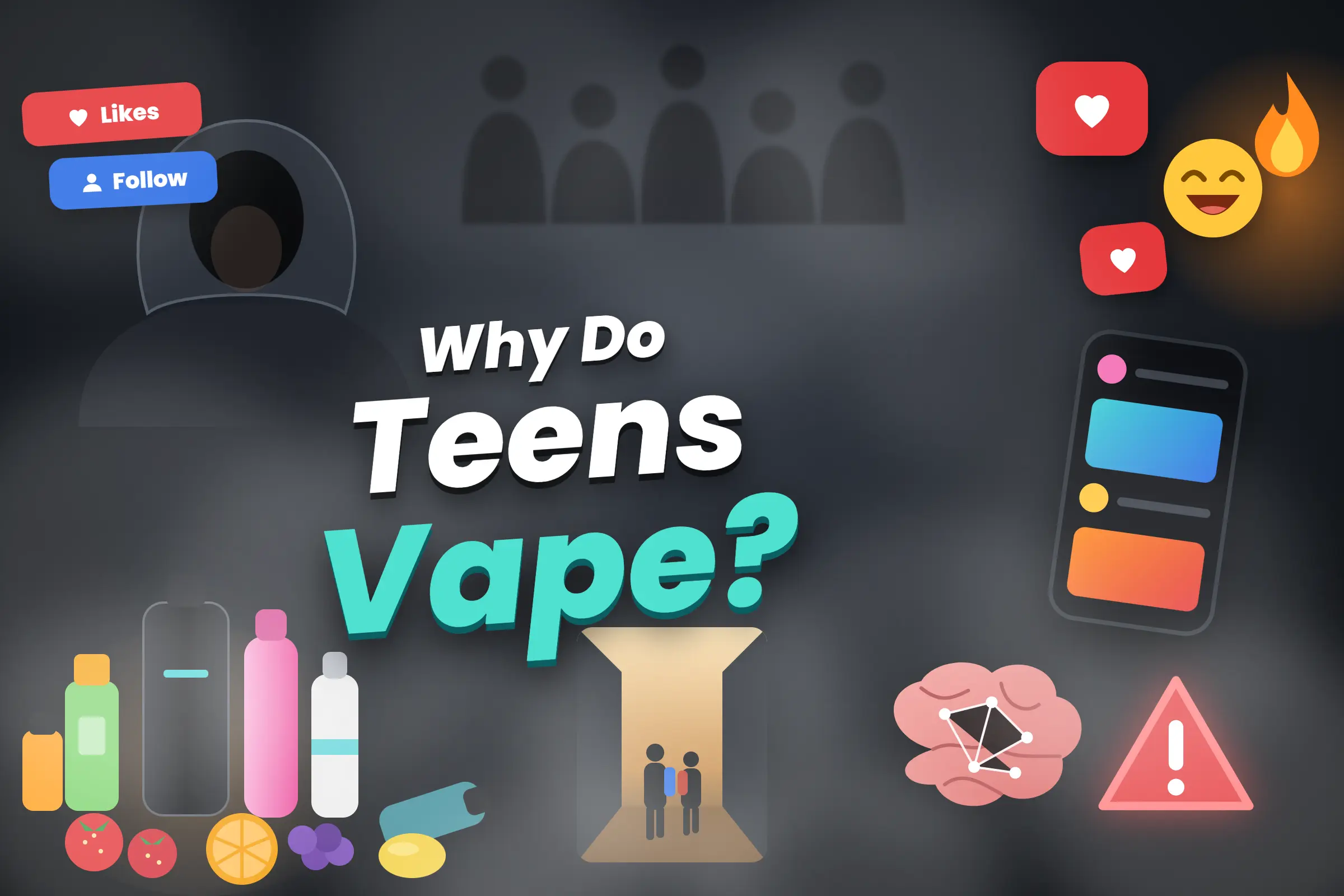
Why do teens vape? The main reasons include curiosity, friends who vape, appealing flavours, stress, social influence and nicotine dependence. Some teenagers try vaping because it seems interesting or common among their friends. Others continue because they associate vaping with stress relief or experience cravings after repeated nicotine exposure.
The reasons for starting are not always the same as the reasons for continuing. A teenager may initially try a vape out of curiosity but later find it difficult to stop because of nicotine addiction.
Understanding this difference helps parents, teachers and teenagers address the behaviour without relying on assumptions or punishment alone.
What Are the Main Reasons Teenagers Vape?
Research from the Centers for Disease Control and Prevention (CDC) and Health Canada identifies several common influences.
| Reason | Why It Matters |
|---|---|
| Curiosity | Teenagers may want to experience something unfamiliar. |
| Friends and social influence | Seeing friends vape can make experimentation seem more acceptable. |
| Flavours | Fruit, candy and mint flavours can increase product appeal. |
| Stress and emotional discomfort | Some teenagers report vaping to cope with anxiety or stress. |
| Nicotine effects | Nicotine can produce rewarding sensations and lead to dependence. |
| Marketing and online exposure | Advertising and social content can influence perceptions of vaping. |
| Accessibility | Access through friends or other sources creates opportunities to experiment. |
These factors can overlap. There is no single explanation that applies to every teenager.
For a broader discussion covering adult and youth motivations, see our guide to why people vape.
1. Curiosity and Experimentation
Curiosity is an important reason teenagers first try e-cigarettes.
A teenager might see an unfamiliar device, hear friends discussing flavours or wonder what nicotine feels like.
Trying a vape does not necessarily mean someone intends to become a regular user.
However, experimentation creates an opportunity for repeated nicotine exposure, particularly when the product is readily available.
CDC research based on the 2024 National Youth Tobacco Survey identified curiosity and having friends who vape among the leading reasons young people reported trying e-cigarettes.
The important distinction is between trying a product once and developing a pattern of use.
Not every teenager who experiments becomes dependent, but repeated exposure to nicotine increases the concern.
2. Friends, Peer Influence and Social Acceptance
Friends play a significant role in teenage vaping.
The CDC reports that having a friend who used e-cigarettes was the most commonly reported reason for first trying vaping among U.S. students in its youth research.
Peer influence does not always involve someone explicitly pressuring another person.
It can happen when vaping is common within a friendship group, when devices are shared or when teenagers observe people they trust using them.
Does Peer Pressure Cause Teen Vaping?
Vaping peer pressure can be direct or indirect.
Direct pressure might involve a friend encouraging someone to try a vape.
Indirect influence occurs when a teenager sees vaping as normal because several friends participate.
This distinction matters for prevention. Teaching teenagers how to refuse an offer is useful, but helping them recognize social influence is equally important.
Parents can discuss realistic situations without assuming that every friend who vapes is deliberately pressuring others.
3. Flavours and Product Appeal
Flavours are another well-documented influence on youth vaping.
E-cigarettes may be available in fruit, candy, dessert, mint and other flavour profiles, depending on local regulations.
The CDC reports that most U.S. youth who currently vape use flavoured products.
Flavours can make a product seem more appealing, particularly when teenagers associate familiar tastes with ordinary foods or drinks.
However, pleasant flavours do not establish that an inhaled product is safe.
Vape aerosol is not simply harmless water vapour, and products containing nicotine can cause dependence.
Do Flavoured Vapes Always Contain Nicotine?
No. Nicotine content varies by product.
Some e-liquids are labelled nicotine-free, while others contain substantial concentrations.
A flavour name does not tell a consumer how much nicotine a product contains.
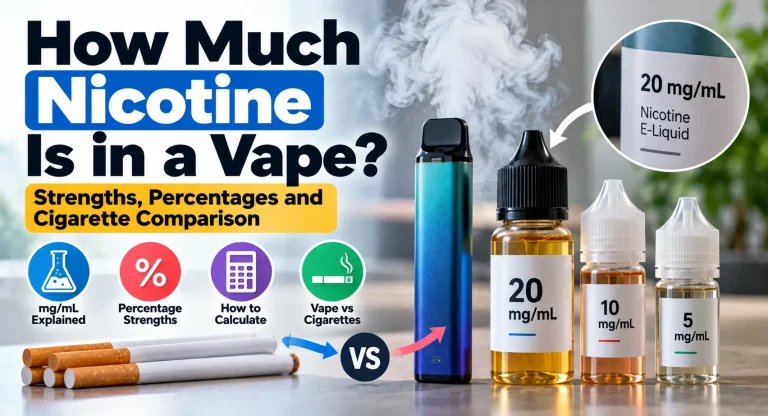
Our guide to how much nicotine is in a vape explains nicotine concentrations, percentages and milligrams per millilitre.
4. Stress, Anxiety and Emotional Coping
Stress is an important reason some teenagers report continuing to vape.
School responsibilities, social difficulties and personal circumstances can contribute to emotional discomfort.
Some teenagers believe nicotine helps them relax or manage difficult feelings.
However, perceived short-term relief is not the same as effective treatment for stress or anxiety.
Nicotine dependence and withdrawal can contribute to irritability, anxiety and difficulty concentrating.
A teenager may then use nicotine again to relieve withdrawal symptoms.
Does Vaping Actually Reduce Stress?
A teenager may experience temporary relief, particularly when nicotine use reduces withdrawal discomfort.
That does not establish that vaping improves mental health.
A 2025 CDC study found that reasons for current e-cigarette use differed according to reported symptoms of depression and anxiety. Students with more severe symptoms were more likely to report using e-cigarettes because they felt anxious, stressed or depressed.
For teenagers who regularly vape when upset, support should address both nicotine use and the underlying emotional concerns.
5. Nicotine Dependence and Cravings
One of the most important explanations for continued vaping is nicotine dependence.
Nicotine affects the brain’s reward system and can create cravings after repeated exposure.
Young people may develop signs of dependence even before they begin vaping every day.
Why Is Nicotine More Concerning for Teenagers?
The brain continues developing through adolescence and into early adulthood.
Health authorities warn that nicotine exposure during this period can interfere with healthy brain development, including processes involved in attention, learning and impulse control.
Repeated nicotine use can also make stopping difficult.
Common withdrawal symptoms include:
- Irritability or restlessness
- Strong urges to vape
- Difficulty concentrating
- Sleep disturbances
- Anxiety or changes in mood
These symptoms vary between individuals.
Why Teen Vaping Addiction Can Be Difficult to Recognize
Teen vaping addiction may develop gradually.
A teenager might initially vape only with friends but eventually experience cravings when unable to use nicotine.
They may begin vaping more frequently, think about their next opportunity to vape or struggle to stop despite wanting to quit.
These patterns deserve attention because dependence can become a reason for continued use even after the original curiosity has faded.
6. Social Media, Advertising and Product Design
Marketing and media exposure can influence how teenagers perceive vaping.
Advertisements may emphasize flavours, appearance or product features.
Social media can also expose young people to vaping through entertainment, influencer content and posts shared by peers.
However, exposure does not mean that every teenager who sees vaping content will begin using nicotine.
The concern is that repeated positive portrayals can make vaping seem familiar or socially acceptable.
Why Some Vapes Are Difficult to Recognize
Modern vaping devices come in many forms.
Some resemble pens, small electronic gadgets or USB-style devices.
This can make it difficult for parents and teachers who are unfamiliar with vaping products to identify them.
Our illustrated guide to what a vape looks like explains common device types and appearances.
7. Access to Vaping Products
Availability can also influence experimentation.
Teenagers may obtain products from friends, older acquaintances or other sources.
Access patterns vary by country, age group and local enforcement.
What Are Canada’s Age Restrictions?
In Canada, federal law prohibits selling or providing vaping products to people younger than 18.
Some provinces and territories have higher minimum ages, including 19 or 21.
These rules apply to supplying products, but legal restrictions alone do not explain why every teenager starts vaping.
Access prevention works best alongside accurate education and supportive conversations.
Why Do Some Teens Continue Vaping After Trying It?
Why do teens vape repeatedly when their original reason was curiosity or social influence?
Continued use can involve several overlapping factors:
- Nicotine cravings and withdrawal
- Established routines, such as vaping during breaks
- Friends or social settings associated with vaping
- The belief that nicotine helps manage stress
- Difficulty changing a familiar habit
The relative importance of each factor varies.
A teenager who vapes socially may need different support from someone experiencing strong daily cravings.
Understanding what maintains the behaviour is more useful than assuming every teenager has the same motivation.
What Are the Health Risks of Teen Vaping?
Vaping exposes users to an aerosol that may contain nicotine and other potentially harmful substances.
The risks depend partly on product composition and patterns of use, but vaping is not considered safe for teenagers.
Nicotine and Brain Development
Nicotine exposure is a major concern because adolescent brains are still developing.
Dependence, withdrawal and potential effects on attention, learning and mood are reasons health authorities recommend that young people avoid nicotine.
Respiratory Effects
Vape aerosol can contain substances that irritate the respiratory system.
Some users report coughing or throat irritation.
The long-term health effects of vaping continue to be studied, and the absence of cigarette smoke does not mean the aerosol is harmless.
Exposure to Other People
People nearby may also inhale substances present in exhaled aerosol.
For more information, see our guide to second-hand exposure from vaping.
How Can Parents Tell if a Teenager Is Vaping?
No single behaviour reliably proves that a teenager is vaping.
However, parents may notice unfamiliar vaping devices, refill pods or changes in spending.
Other possible observations include frequent coughing, increased secrecy or irritability.
These signs are not specific to vaping and may have unrelated explanations.
For example, irritability can reflect ordinary stress, inadequate sleep or numerous other concerns.
Rather than treating a list of symptoms as proof, parents should use their observations as a reason to start a respectful conversation.
How Should Parents Talk to Teenagers About Vaping?
A productive conversation starts with questions rather than accusations.
Parents can ask what their teenager knows about vaping, whether it is common among friends and what they believe about nicotine.
Listening matters because a teenager may have different concerns from those a parent expects.
Start With Open Questions
Useful conversation starters include:
- “What are people your age saying about vaping?”
- “Do you think vaping is risky? Why?”
- “What would make it difficult for someone your age to stop?”
- “Would you feel comfortable telling me if you had tried it?”
Explain the Risks Clearly
Avoid exaggerated claims or frightening stories that cannot be supported.
Instead, explain that nicotine can cause dependence and that vaping is not harmless for developing bodies.
Set Boundaries and Offer Support
Parents can establish clear expectations while making it safe for teenagers to ask questions or request help.
If a teenager is already vaping, the conversation should include practical support rather than punishment alone.
How to Help a Teen Stop Vaping
Understanding how to stop teen vaping begins with identifying the teenager’s reasons for use and whether nicotine dependence is present.
Identify Triggers
Common situations may include social gatherings, stressful moments or familiar daily routines.
Identifying triggers can help the teenager prepare alternatives.
Develop a Quit Plan
A quit plan may include choosing a quit date, identifying supportive people, planning responses to cravings and reducing exposure to situations associated with vaping.
Some teenagers may benefit from structured counselling or a youth-focused cessation program.
Seek Professional Guidance
A healthcare professional can assess nicotine dependence, withdrawal symptoms and any coexisting mental-health concerns.
Teenagers should not independently start nicotine medications or replacement products without appropriate professional guidance.
Frequently Asked Questions
Why Do Teens Vape Even When They Know the Risks?
Why do teens vape despite understanding some risks? Curiosity, social influence, stress and nicotine dependence can influence behaviour even when a teenager knows vaping is not harmless. Awareness of risk does not automatically prevent experimentation or addiction.
What Is the Most Common Reason Teens Start Vaping?
CDC research identifies having friends who vape as a leading reported reason for first trying e-cigarettes. Curiosity is also common. Reasons vary across populations and studies.
Do Teenagers Vape Because of Stress?
Some do. Stress and emotional discomfort are frequently reported reasons for current vaping. However, not every teenager vapes for this reason, and vaping is not an established treatment for anxiety.
Can Teenagers Become Addicted to Vaping?
Yes. Nicotine-containing vaping products can cause dependence, and young people may develop symptoms before they become daily users.
Are Nicotine-Free Vapes Safe for Teens?
Nicotine-free products avoid nicotine exposure if their labelling is accurate, but they can still produce aerosol containing potentially harmful substances. Nicotine-free does not automatically mean harmless.