What Does a Vape Look Like? A Comprehensive Visual Guide to Modern Vaping Devices
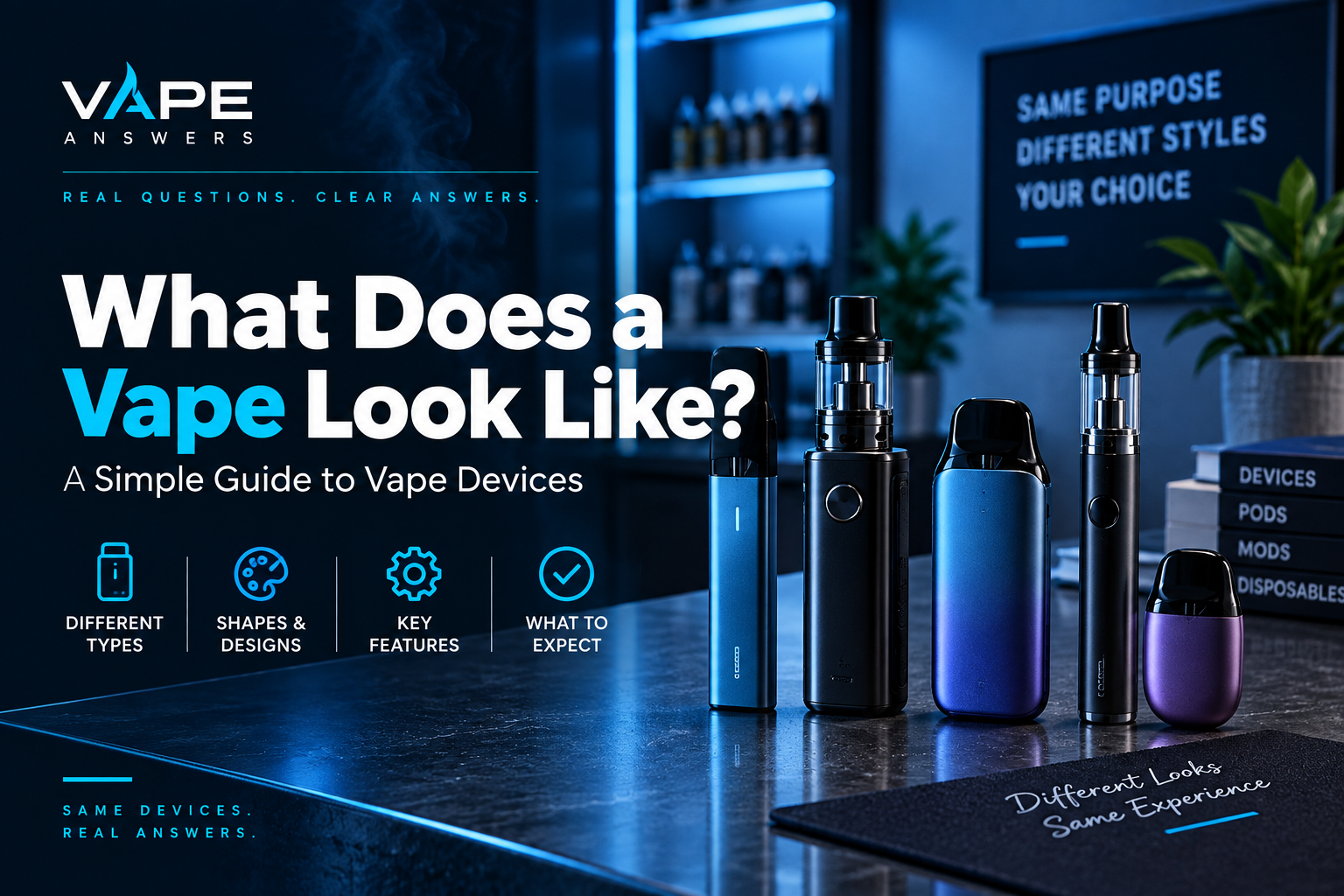
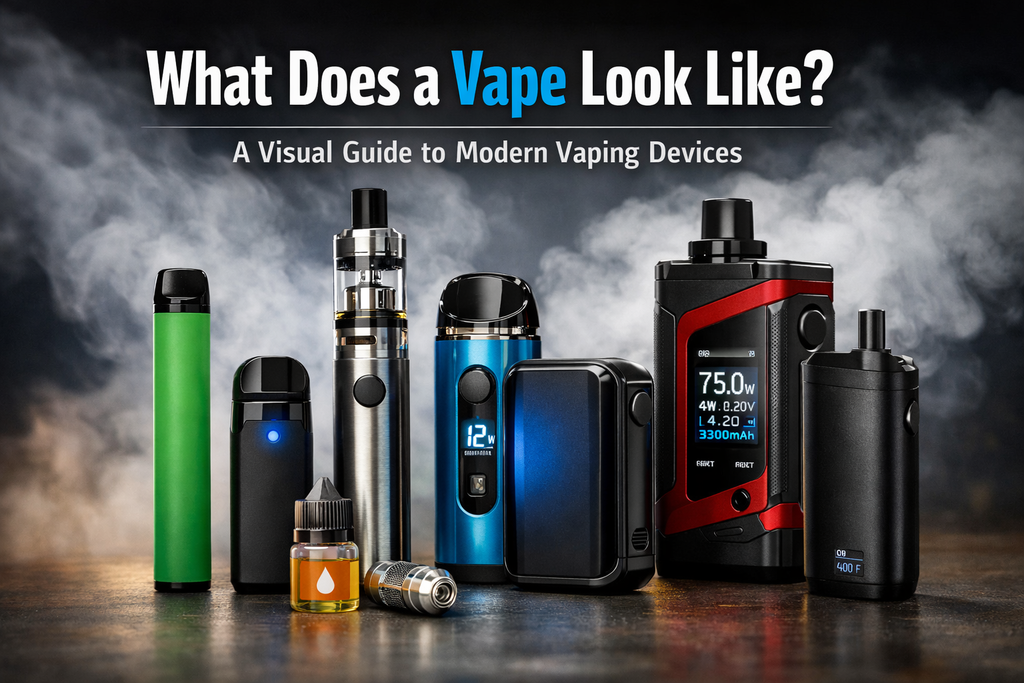
Table of contents
Introduction: Understanding What a Vape Looks Like
Curiosity surrounding vaping devices continues to surge. Many people ask a straightforward question: what does a vape look like? The answer, however, is multifaceted.
Modern vape devices are not monolithic. They range from slender, pen-like instruments to robust, box-shaped powerhouses. Some resemble USB flash drives. Others look like small electronic gadgets with digital displays.
The evolution of vaping technology has transformed these devices into sleek, ergonomic, and technologically sophisticated tools. Understanding their appearance begins with understanding their function.
What Is Vaping?
Definition of Vaping
Vaping is the act of inhaling aerosolized vapor produced by an electronic device. Unlike traditional smoking, vaping does not involve combustion. There is no burning tobacco leaf. Instead, a liquid solution commonly called e-liquid or vape juice—is heated and converted into vapor.
How Vaping Works (Without Combustion)
A vape device contains a battery, a heating element (coil), and a tank or pod filled with e-liquid. When activated, the battery powers the coil. The coil heats the liquid. Vapor is produced. The user inhales.
No flame. No ash. No smoke.
Vaping vs Smoking: Key Visual and Functional Differences
| Aspect | Vaping | Smoking |
| Substance Used | E-liquid | Tobacco |
| Method | Vaporization | Combustion |
| Visual Output | Vapor cloud | Smoke |
| Device | Electronic | Paper-wrapped cigarette |
| Odor | Often flavored | Strong tobacco scent |
Visually, vaping devices are technological. Cigarettes are simplistic and combustible. The contrast is unmistakable.
What Does a Vape Look Like? (Complete Visual Breakdown)
A vape typically consists of:
- A mouthpiece (also called a drip tip)
- A tank or pod
- A battery body
- Activation button (on some models)
- Charging port (USB-C or Micro-USB)
- LED indicator lights
Some devices include digital screens displaying wattage, battery level, and resistance. Others maintain a minimalist aesthetic with no visible controls.
Size varies dramatically. Some fit entirely within the palm. Advanced mods occupy more substantial space and feel weightier.
Types of Vaping Devices
1. Disposable Vapes
Disposable vapes are compact, cylindrical, or rectangular bar-style devices. They often resemble highlighters or USB sticks.
They are:
- Lightweight
- Pre-filled
- Non-rechargeable (in most basic models)
- Color-coded for flavors
Their simplicity makes them visually unobtrusive.
2. Vape Pens
Vape pens are slim and elongated. As the name suggests, they resemble writing instruments.
Characteristics include:
- Cylindrical shape
- Transparent glass tank (in many models)
- Single activation button or draw-activated design
- Replaceable coils
They offer a classic vaping silhouette.
3. Pod Systems
Pod systems are refined and minimalist. Many resemble sleek tech gadgets rather than smoking alternatives.
They feature:
- Compact rectangular frames
- Magnetic pod attachments
- Snap-in cartridge systems
- Matte or metallic finishes
Closed pod systems use pre-filled cartridges. Open pod systems allow manual refilling.
Their modernity appeals to users seeking discretion and convenience.
4. Vape Mods (Box Mods & Advanced Devices)
Box mods are larger and more intricate. They are rectangular and often contain digital displays.
Visual traits include:
- OLED or LED screens
- Adjustable wattage buttons
- External battery compartments (in some models)
- Large sub-ohm tanks
These devices appear robust. They are engineered for performance and vapor production.
5. Vaporizers (Herb & Concentrate Devices)
Vaporizers may look different depending on their purpose.
Portable vaporizers resemble compact electronic gadgets. Desktop vaporizers are larger, often with tubing or chambers.
Features may include:
- Temperature control displays
- Ceramic heating chambers
- Metallic or matte exteriors
They appear more technical and specialized.
Components of a Vape Device
E-Liquid / Vape Juice
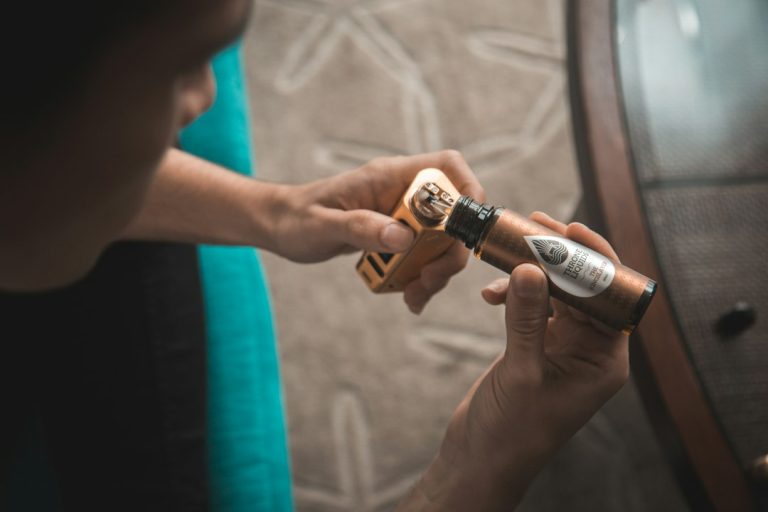
E-liquid bottles are typically small plastic containers with child-resistant caps. Labels display:
- Flavor profile
- Nicotine strength
- PG/VG ratio
Flavors range from tobacco to fruit medleys and confectionery-inspired blends.
Battery
The battery is the device’s nucleus. It may be internal or removable.
Externally visible elements include:
- USB charging port
- LED battery indicators
- Power button
Battery capacity is measured in mAh. Larger devices often contain higher-capacity batteries.
Coils
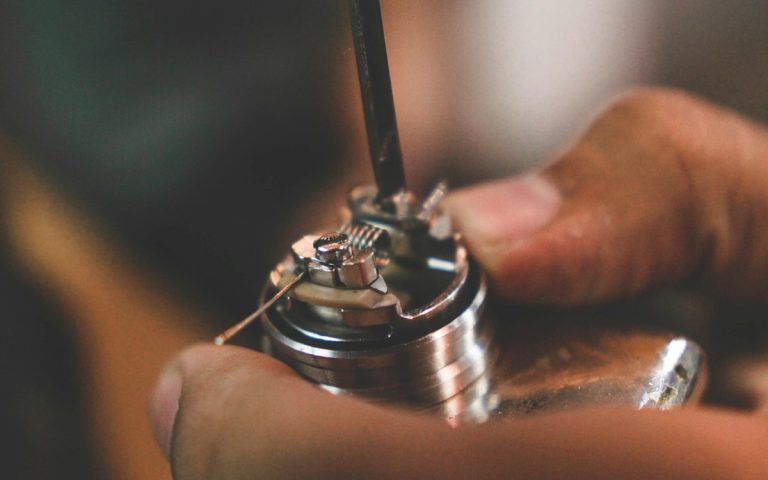
Coils are small metallic heating elements housed inside the tank or pod.
They may use:
- Traditional wire
- Mesh coil technology
Mesh coils increase surface area, enhancing flavor diffusion and vapor density.
Tank or Cartridge
Tanks are often transparent, allowing users to monitor e-liquid levels. Pods may be opaque or semi-transparent.
Many tanks include:
- Adjustable airflow rings
- Screw-top or sliding-fill systems
Cartridges in disposable systems are sealed and non-removable.
Disposable vs Rechargeable vs Refillable Vapes
Disposable Vapes
- Single-use
- Compact
- No maintenance
Rechargeable Vapes
- Reusable
- USB charging
- Replaceable coils or pods
Refillable Devices
- Manual e-liquid refilling
- Customizable
- Economical over time
Visually, disposable devices are simpler. Rechargeable and refillable devices appear more mechanical and modular.
Common Vape Shapes and Design Trends
Modern vaping devices embrace diverse industrial design philosophies:
- Pen-style: cylindrical and streamlined
- Box-style: rectangular and powerful
- Pod-style: compact and magnetic
- Bar-style: disposable and colorful
- Ergonomic curves: contoured for hand comfort
Materials include aluminum alloy, zinc alloy, stainless steel, and durable plastics.
The aesthetic leans toward futuristic minimalism.
How Vaping Feels Compared to Smoking
Vaping produces vapor instead of smoke. The sensation varies.
Users often describe:
- A smoother inhalation
- A customizable throat hit
- Enhanced flavor articulation
Nicotine levels and airflow adjustability allow personalization. Smoking, by contrast, offers little variability.
Duration and Effects of Using a Vape
Disposable devices may last 200 to 5,000+ puffs depending on capacity. Rechargeable devices last significantly longer with maintenance.
Battery longevity varies from several hours to multiple days based on usage frequency.
Effects typically include:
- Nicotine delivery
- Flavor experience
- Visible vapor exhalation
Conclusion: Identifying a Vape with Confidence
Understanding what a vape looks like eliminates ambiguity. Whether it is a slender pen, a compact pod system, or a powerful box mod, each device shares foundational components while maintaining distinct aesthetics.
Modern vaping devices are technological, varied, and visually distinctive. Recognizing common shapes and components can make identification easier, although unusual and disguised designs are harder to recognize. For additional device terminology, see our Vape Glossary, and for an explanation of aerosol and device operation, read What Is Vaping?.