What Is a Vape Coil? Parts, Resistance, Lifespan and Replacement
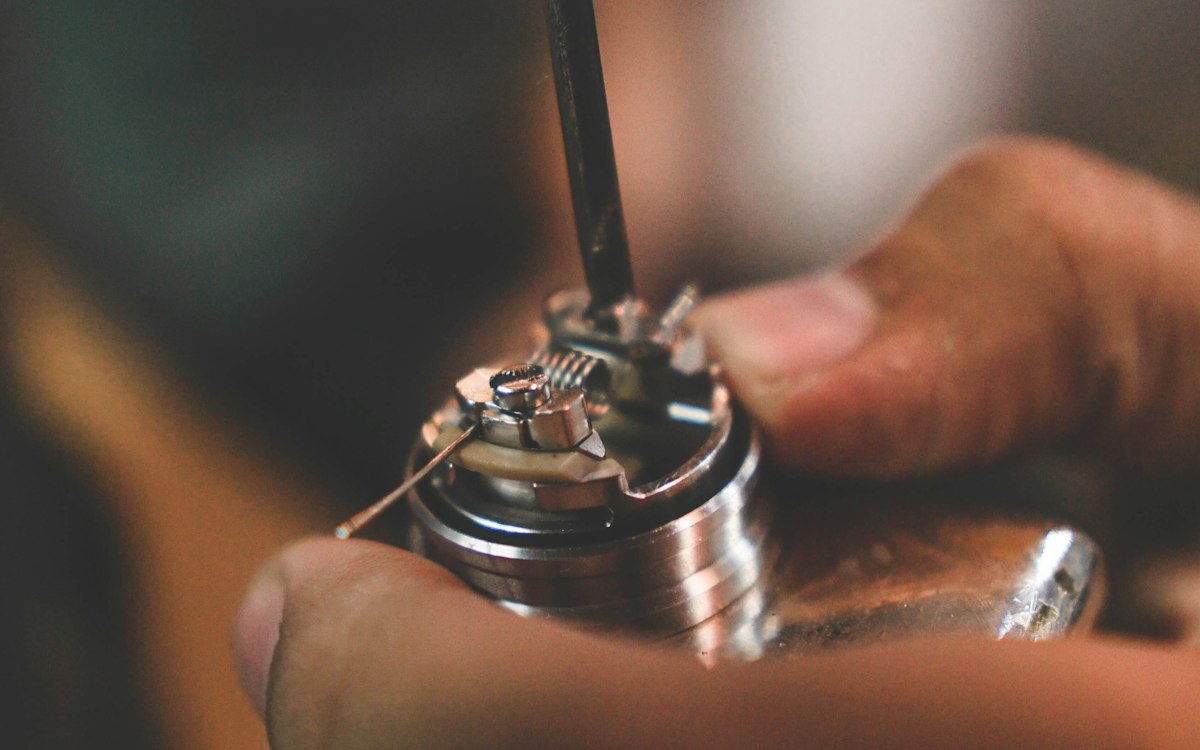
What is a vape coil? It is the heating element in an electronic cigarette that warms e-liquid and helps form an inhalable aerosol. In most refillable devices, the complete coil head also holds absorbent material, often cotton, that supplies liquid to the heater. A coil is not the battery, the mouthpiece, or the whole tank.
This guide explains what the part does, the meaning of the ohm rating printed on many replacement heads, and how to recognize a worn coil. It also explains why a pod with a built-in heating element may need to be replaced as one unit. These are general hardware explanations for adult readers, not encouragement for people who do not use nicotine to begin vaping.
Table of contents
What Is a Vape Coil and How Does It Work?
Most modern e-cigarettes contain a battery, an e-liquid container, and a resistive heating element. When the device activates, current from the battery passes through the heater. Liquid moves from the surrounding container into a porous wick and reaches the hot metal. The resulting aerosol travels through an airflow path and out of the mouthpiece.
- The wick absorbs liquid. E-liquid enters the cotton or other approved wicking material through small openings.
- The device provides power. A compatible regulated device supplies energy to the heating element.
- Heat produces aerosol. The liquid forms small droplets and gases that users inhale.
- The wick must replenish. If more liquid cannot reach the heater, the material can scorch.
That last step explains why vaping continuously, running a nearly empty tank, or operating outside the designated power range can cause problems. The heater is not supposed to glow dry inside a sealed commercial pod.
E-cigarette aerosol is not simply water vapour. The US Centers for Disease Control and Prevention notes that it can contain nicotine and other potentially harmful substances. Understanding the device’s operation does not make vaping harmless.
What’s Inside a Coil Head?
The term coil can refer just to the metal heater, but manufacturers also use it for the whole replaceable assembly. That assembly usually contains several parts.
- Heating element: A length of resistive wire or a shaped metal mesh that warms when electricity flows.
- Wick: Usually cotton, positioned to absorb e-liquid and bring it into contact with the heater.
- Housing: A metal shell that holds the parts in place and may include liquid-entry openings.
- Seals: Small gaskets that help prevent leaks when the correct part is installed.
- Contacts: Electrical surfaces that connect the assembly to the device.
Some materials and dimensions differ between models. For example, manufacturers may use Kanthal or stainless steel heating elements, with different resistance and performance characteristics. You cannot reliably determine the correct replacement from appearance alone.
Innokin’s coil documentation explains that construction, resistance, recommended wattage, and airflow all matter. Always check the packaging and model-specific instructions.
Mesh Coils Versus Traditional Wire Coils
When someone asks what is a vape coil, the distinction between metal shape and device compatibility is more useful than a marketing label.
A traditional wire element resembles a shaped or wound piece of metal. A mesh vape coil has a patterned metallic sheet or grid. Mesh can spread heat over a wider area, but the quality of the wick, airflow, device regulation, and liquid still affect what happens in practice.
| Feature | Wire-style element | Mesh element |
|---|---|---|
| Heater shape | Formed wire | Metal grid or sheet |
| Use | Some pods, tanks and rebuildable systems | Many modern pods and replacement heads |
| Contact with wick | Depends on design and wire spacing | May cover a broader surface |
| Compatibility | Use only parts approved for the exact device or tank. | |
There is no universal rule that mesh is better or that a higher resistance always means higher quality. A well-designed coil is one that fits the device, matches its electrical limits, and works with the intended liquid.
What Does the Ohm Rating Mean?
Vape coil resistance is measured in ohms, represented by Ω. The number describes an electrical property of the heating element. A 0.6-ohm head and a 1.2-ohm head impose different loads on a device, even if their casings look alike.
Lower-resistance heads are commonly used in designs with more airflow and higher power. Higher-resistance versions are often paired with more restricted airflow and lower power. These patterns have exceptions. Do not use resistance alone to calculate a safe wattage or conclude that any replacement will fit.
Use the manufacturer’s wattage range printed on the coil or its packaging. On adjustable devices, Innokin recommends beginning toward the lower end of the supported range and avoiding output above the specified maximum. Do not try to bypass resistance, short-circuit, or overheat protections.
Vape Coil vs Pod vs Tank
People often ask what is a vape coil in relation to a cartridge. The coil provides the heat; the pod or tank holds liquid and positions the heater near the airflow. Some pods are refillable and have separate removable coils. Others permanently integrate the heater into a replacement pod.
| Part | Purpose | Typical maintenance |
|---|---|---|
| Coil head | Heats liquid held in the wick | Replace if the design allows a user-serviceable head |
| Pod or cartridge | Stores liquid; may contain a fixed heater | Replace the entire pod when its fixed heater wears out |
| Tank or atomizer | Houses the liquid and airflow system | Usually reused with compatible replacement components |
| Battery device | Supplies and controls power | Charge as instructed; never open a sealed lithium battery |
Before buying a replacement, compare the exact device model, compatible coil family, resistance and wattage range. If the heater is fixed inside the pod, do not cut or pry it out. There may not be a separately replaceable coil.
How Long Does a Coil Last?
Knowing what is a vape coil also makes it easier to separate normal wear from an electrical or battery fault.
It is misleading to promise a precise number of days. Lifespan varies with how frequently someone uses a device, the type of liquid, the wattage setting, and the coil’s construction. A low-use system can behave very differently from one operated heavily throughout the day.
The OXVA Service Center offers an approximate timeframe for a properly used coil, while emphasizing that heavy use, excessive power, and e-liquid choice can shorten its life considerably. Look for persistent symptoms instead of relying only on a calendar.
When Should You Replace a Coil?
The clearest sign is a persistent burnt taste that remains after checking the liquid level and allowing the wick enough time to saturate. Other signs can include flavour fading, less aerosol at normal settings, frequent dry hits, or visible residue where the manufacturer’s design permits inspection.
- Burnt flavour: A wick may be scorched, especially after operating without enough liquid.
- Weak flavour: Residue on the heating element can change performance over time.
- Unusually little aerosol: The heater may be worn, but check charging, contacts, and airflow too.
- Persistent leaking: Check for a damaged pod seal, incorrect installation, or a worn assembly.
- Electrical warnings: Stop and follow the device manual rather than overriding protections.
When to replace a vape coil depends on this combination of evidence. A sudden weak draw could be a drained battery, while a consistently burnt flavour across normal fills may point to a damaged wick. Do not continue inhaling through a part that appears scorched.
Replacing a User-Serviceable Coil
Understanding what is a vape coil does not mean every device is designed to be opened or serviced.
Only follow these general steps when the manufacturer describes the coil as removable by the user. Different tanks and pods have different opening methods.
- Switch off the device and allow it to cool.
- Verify that the new head belongs to the compatible coil series.
- Detach the tank or pod using the manufacturer-approved method.
- Remove the old head carefully without opening the battery housing.
- Install the replacement with seals in the correct positions.
- Fill the tank or pod if required and give the new wick the manufacturer-recommended time to absorb liquid.
- Check for leaks. If the device has adjustable power, stay within the marked wattage range.
Never activate a fresh coil while its wick is dry to test whether it works. If liquid reaches battery contacts, follow the cleaning and safety instructions in the manual. Stop use if the device becomes abnormally hot, swollen, or damaged.
Why Would a New Coil Taste Burnt?
A fresh head can scorch when its wick was not saturated, the device supplies too much power, or a liquid is too thick to replenish the wick during repeated draws. Installing the wrong part can produce additional problems.
A brief pause and sufficient saturation may prevent dry hits before damage occurs. Once the wick has burnt, however, more liquid does not restore the damaged fibres. Replace the supported part rather than repeatedly trying it.
Can You Clean and Reuse a Coil?
Rebuildable atomizers are a distinct product category. An experienced user may be able to replace their wick and service a suitable heater. A sealed, prefabricated coil head is not the same thing. Rinsing a ready-made head may remove some surface material but will not restore scorched cotton.
Do not use household cleaning chemicals, force apart sealed pods, or attempt to repair an integrated lithium battery. Manufacturer directions take priority over general online tips.
Frequently Asked Questions
What is a vape coil made from?
It usually includes a metal heating element, a liquid-absorbing wick, and a housing. The exact materials and parts vary between models.
Is a mesh coil different from a pod coil?
Mesh describes a heater construction. A pod coil describes where the heater is installed. A fixed-coil pod may contain a mesh element.
Can you use a coil with a different resistance?
Only when the manufacturer explicitly lists that resistance and coil series as compatible with the device. Matching the number alone is insufficient.
What if a vape says ‘no atomizer’?
Check the manual for safe contact and seating checks. Do not bypass a protective error or dismantle the battery compartment.
Does a worn coil make vaping safe or unsafe?
A worn or scorched coil can create obvious operating problems, but replacing it does not remove the underlying health risks of inhaling e-cigarette aerosol. Nicotine is addictive, and people who do not use tobacco should not start vaping.
Bottom Line
Understanding what is a vape coil helps you distinguish the heater from the pod, tank, and battery. Check compatibility, stay within the printed electrical limits, allow new wicks to saturate, and replace worn components only as the manufacturer permits. A coil may be a small part, but improvising a repair on a sealed device or battery is not worth the risk.
Featured photograph: Muhamad Reza Junianto on Unsplash.
References: Innokin Support, OXVA Service Center, CDC.