What Is a Vape Tank? Parts, Coils and Pod Differences

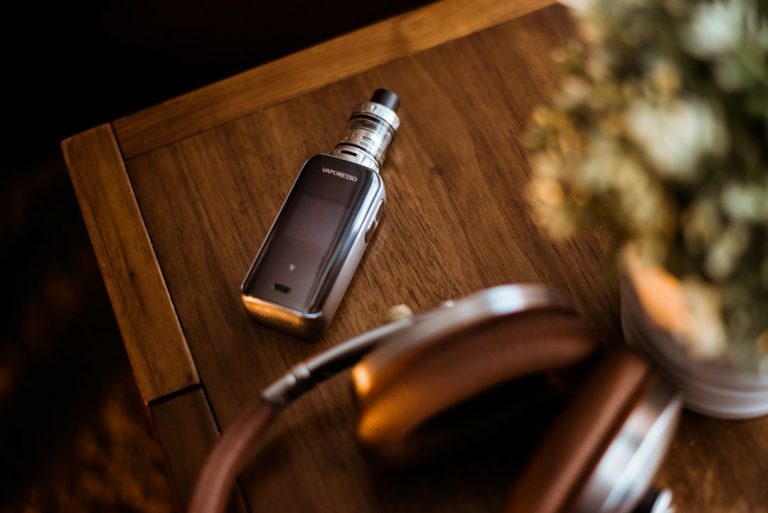
A vape tank is a refillable part of some electronic cigarettes that holds e-liquid and houses an atomizing coil. The tank connects to a suitable powered device, often called a mod. During operation, liquid moves through a wick toward a heating element, which produces an aerosol. That is the direct answer to what is a vape tank: it is an e-liquid reservoir and atomizer assembly, not the battery itself.
The word tank can mean slightly different designs in everyday use. Some people call any liquid-holding pod a tank, but hardware manufacturers generally distinguish a removable tank assembly from a proprietary pod cartridge. The distinction matters for compatibility, refilling and replacement parts.
Table of contents
Parts of a typical vape tank
A common refillable tank uses several components that work together. The exact layout varies, and not every model can be disassembled in the same way.
- Reservoir: the glass or other manufacturer-approved chamber that stores liquid.
- Coil head: the replaceable atomizing element on many tank designs, typically with a heating element and wick.
- Top or bottom cap: the piece that seals access to the filling opening.
- Airflow passages: channels that direct air through or around the atomizer.
- Mouthpiece: the portion through which aerosol is inhaled.
- Seals and O-rings: small parts intended to keep liquid inside the correct chamber.
- Electrical connector: the contact linking a compatible tank to its power unit.
Some tanks add an adjustable airflow ring, a replaceable glass section or a locking fill cap. These are design features rather than universal requirements. If a seal or glass section breaks, use only the parts the maker specifies.
How does a vape tank work?
The battery and electronics provide power to the coil. Inside the tank, absorbent wick material draws the liquid toward the heating element. When activated, the heater transfers energy into the liquid and produces an aerosol of tiny droplets and other constituents. The aerosol then travels through the central air path to the mouthpiece.
That process differs from burning tobacco leaves, but it does not make the inhaled aerosol harmless. The U.S. FDA and CDC describe possible exposure to nicotine and other potentially harmful substances from e-cigarette aerosol. The tank’s design affects hardware operation, not the fundamental fact that inhalation carries risks.
Understanding what is a vape tank requires separating its functions from those of the battery. A tank does not store electrical energy or supply power by itself. A battery mod does not store e-liquid unless the whole device incorporates a separate liquid reservoir.
Vape tank versus pod: what is the difference?
Both tanks and pods hold liquid, but they usually attach to their power units in different ways. Innokin’s component guide describes many tanks as using a 510-style threaded connection, while pods commonly rely on proprietary connectors fitted to specific products. Not all devices follow these patterns.
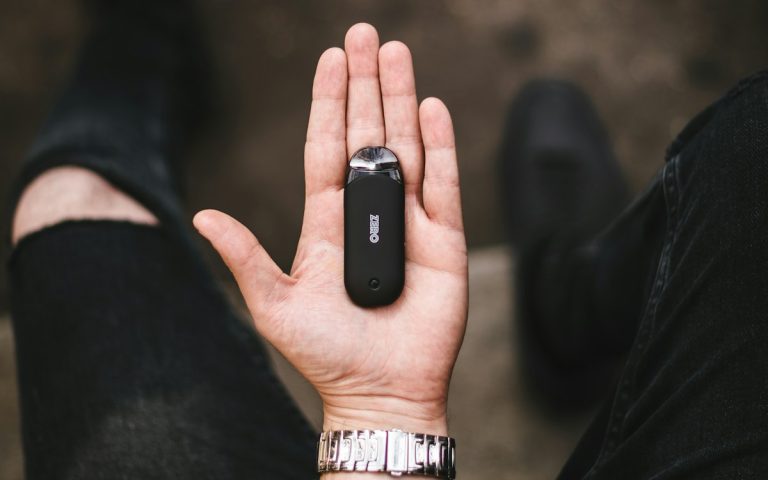
A traditional tank may be made from metal and glass and designed for replaceable coil heads. A small pod is more often a cartridge that slots into a matching battery housing. Some pods have built-in coils; other pod systems also allow coil replacement. Compatibility should always be checked by exact product model, not by the broad label.
A prefilled sealed pod is not a refillable tank. Do not pry it open or inject liquid because an online diagram shows that another device can be serviced. See our pod vape explanation for cartridge designs and common terminology.
Is a tank the same as an atomizer?
The terms overlap, but they are not perfectly interchangeable. An atomizer is the part that turns liquid into an aerosol. In a conventional refillable tank system, the complete tank contains the atomizing coil and liquid reservoir. Some people use ‘atomizer’ to mean the coil head alone and others use it for the entire heating assembly.
Older terminology includes clearomizer, cartomizer and rebuildable atomizer. A clearomizer generally emphasizes a visible liquid chamber. A rebuildable tank atomizer, often abbreviated RTA, has a different user-servicing arrangement from a factory replaceable-coil tank. The beginner question what is a vape tank is best answered by identifying the liquid reservoir, coil and connection rather than memorizing every historical nickname.
Our vape coil guide explains coil resistance, wicking and replacement signs separately.
What does the tank capacity number mean?
In explaining what is a vape tank, remember that tank capacity is commonly described in milliliters, abbreviated mL. A 2 mL tank holds a smaller nominal liquid volume than a 5 mL tank. This number does not indicate the nicotine concentration, amount absorbed, number of puffs guaranteed or battery capacity.
For example, a 5 mL reservoir and a 5 mg/mL nicotine liquid describe two different properties. One is total liquid volume; the other is nominal nicotine concentration per unit volume. Both can appear on product listings, and confusing them can lead to incorrect comparisons.
A large capacity is not automatically compatible with every mod. Physical dimensions, connector design, airflow path and coil specifications still matter. Local rules on sale and product configuration can also vary, so avoid treating any tank size as universally legal.
What is a tank coil, and can it be replaced?
Many factory-coil tanks use a removable atomizer head. The wick inside gradually wears, and heating can leave deposits. A worn coil may cause persistent burnt taste, reduced aerosol or poor operation. Replace it according to the exact manufacturer’s instructions rather than fitting a coil that merely looks similar.
New wick material often needs time to absorb liquid before the heater activates. Our guide on how to prime a vape coil explains why the wait and the correct fill port matter. That article is prepared for publication; the link becomes useful when its scheduled page is live.
Not all tanks allow the same user maintenance. Trying to remove a factory-sealed coil or rebuild wiring without the required design and expertise can damage the assembly and create electrical hazards.
Why might a vape tank leak?
A practical concern behind what is a vape tank is that leaks can occur when the fill port is not closed, a seal is damaged, the device is assembled incorrectly or liquid collects in the airflow path. Some apparent leaks are condensation rather than a broken reservoir. The symptom alone does not identify the cause.
The safe first step is to stop using a visibly leaking device and consult its manual. Do not force the cap, seal gaps with unsuitable material or continue operating if liquid reaches the battery connector. Our vape leaking guide covers external checks and warning signs.
Persistent flooding and gurgling may point to excess liquid near the coil rather than a reservoir crack. If liquid is leaking from a damaged tank, replacing the appropriate manufacturer-approved component is more reliable than improvising repairs.
Cleaning and maintaining a tank
Clean only the parts the manufacturer says are washable or user-serviceable. Remove the tank from its battery before approved maintenance, and never immerse the powered electronics. Some tanks have removable mouthpieces or glass sections, while others have parts that are not intended to separate.
Allow any washed non-electrical parts to dry fully in line with the manual. Reassemble seals in their specified positions and avoid overtightening threaded components. Do not use solvents or unfamiliar cleaning chemicals in a liquid-contacting component without explicit manufacturer approval.
Proper maintenance cannot make aerosol exposure medically safe. It reduces avoidable equipment problems, such as failed seals or poor contact, but does not remove nicotine or other constituents from inhaled material.
Can a tank fit any vape mod?
When assessing what is a vape tank and whether it fits your mod, remember that a common 510 connector does not guarantee safe electrical compatibility. Coil resistance, rated power, the device’s protection features, physical clearance and the manufacturer’s instructions all matter. Some products use proprietary designs even when they look similar to standard tanks.
Do not mix batteries, connectors or atomizers without reliable compatibility documentation. Avoid bypassing short-circuit or overheating protections. The FDA advises users to follow manufacturer recommendations to reduce avoidable battery and device hazards.
Frequently asked questions
Is the tank where the nicotine is stored?
The tank holds e-liquid, which may contain nicotine. The nicotine concentration depends on the liquid formulation, not the tank itself.
Does a disposable vape have a tank?
A disposable generally has an internal liquid reservoir, but that does not mean it uses a removable, refillable tank assembly. Do not open it to reach the liquid.
Are vape tanks and vape pods interchangeable?
Usually not. They often use different connectors and compatible coil designs. Check the exact manufacturer model.
Can a larger tank increase battery life?
Not by itself. Reservoir volume and electrical battery capacity are independent specifications. A different coil or power demand can change battery runtime, but those changes need manufacturer approval.
Is a tank the same as a coil?
No. A tank is the broader liquid-holding assembly; the coil is its heating element or replaceable atomizer component on many designs.
Summary
The practical answer to what is a vape tank is a refillable atomizer assembly that stores liquid, positions a coil and directs airflow. Understanding its reservoir, seals, connector and compatible replacement parts is more useful than relying on broad marketing labels. Always follow model-specific instructions and stop using a damaged, leaking or overheating device.