Why Is My Vape Leaking? Causes, Checks and Safety Signs
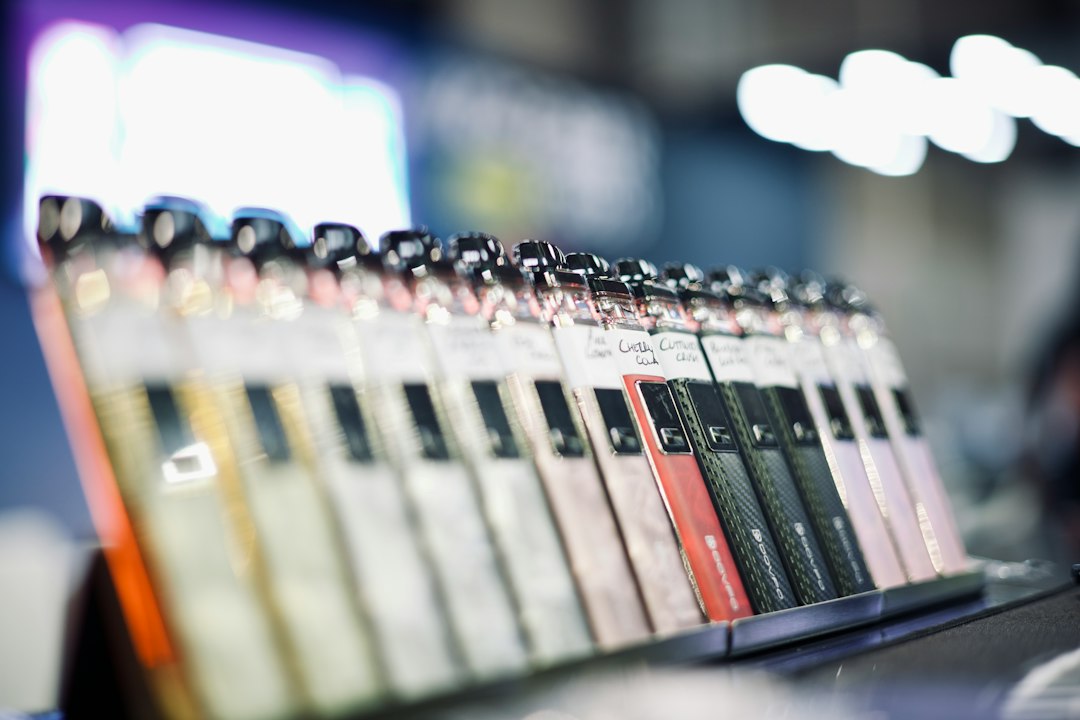
Why is my vape leaking? Common explanations include an overfilled tank or pod, a loose or worn seal, a damaged pod, an incorrectly installed replaceable coil, or changes in temperature and pressure. Where the liquid appears matters. A little condensation at the mouthpiece is different from e-liquid running into an electrical charging port or battery compartment.
If the device is physically damaged, unusually hot, sparking, smoking or leaking near the battery, stop using and charging it. Do not open a sealed battery assembly to investigate. If the leak is limited to a serviceable tank or pod, the manufacturer’s instructions can help identify which parts are intended for inspection or replacement.
This guide explains the common signs and safer next steps. It is not a repair manual, and it does not recommend continuing to use a device that may be electrically unsafe.
Table of contents
Find where the e-liquid is coming from
When investigating why is my vape leaking, start with what you can actually observe. A damp mouthpiece may result from condensation or liquid collecting in the airway. Liquid around a fill port may reflect an incomplete seal. A leak at the tank base can be associated with an incorrectly fitted coil or damaged O-ring. Liquid inside the device housing creates a more serious concern because it may reach electrical components.
The Vaporesso manufacturer FAQ identifies loose caps, damaged seals, incorrectly installed coils, heat and pressure changes among possible explanations for tank leakage. These findings are possibilities, not guaranteed diagnoses for all brands.
Seven common reasons for leaks
1. A refillable tank or pod was overfilled
Some refillable systems require a small air gap and a properly closed fill port. Exceeding the marked fill level or leaving a plug partly open can allow liquid to escape. Follow the specific filling instructions for your model instead of using general advice intended for a different design.
2. A seal or O-ring is damaged
Replaceable tanks may use small silicone O-rings to seal the base, cap or coil connection. Seals can become displaced, torn or worn. If the manufacturer provides replacement parts and user-service instructions, follow those steps. A cracked reservoir should not be treated as something that can be reliably repaired with household glue.
3. The coil or pod is not seated correctly
In some serviceable systems, an incorrectly fitted coil creates a path for liquid to escape. A worn pod or incompatible replacement can also leak. Verify model compatibility and the manufacturer’s assembly instructions. Never force or overtighten threaded components.
4. Liquid is collecting in the airflow channel
Condensation and an oversupplied wick can leave droplets around the mouthpiece or air intake. That does not necessarily mean the whole reservoir has failed. Nevertheless, repeated liquid reaching the mouth or electronics warrants stopping and investigating according to the manufacturer’s approved maintenance guidance.
5. Temperature or air-pressure changes
Warmth, direct sunlight and changes in atmospheric pressure can alter the behaviour of air and liquid inside a reservoir. Manufacturer guidance notes that some tanks are more likely to leak after being left in hot conditions or exposed to pressure changes during travel. Do not leave devices in a hot car.
6. The liquid does not suit the hardware
E-liquid viscosity affects how it passes through a wick and coil. A formulation that works in one tank may behave differently in a compact pod. Use manufacturer compatibility information; broad rules about PG/VG ratios do not apply to every product.
7. The device or reservoir is defective
A pod can be faulty even when new, and physical impact may damage an assembly. If a new supported component has the same recurring issue, contact the manufacturer or retailer instead of repeatedly using a leaking product. Stop using sealed equipment showing signs of internal damage.
What to do when a vape starts leaking
- Stop using the device and determine whether any liquid has reached the battery, charging port or enclosed electronics.
- If the device is hot, swollen, smoking, sparking or electrically damaged, stop charging it and seek appropriate professional or local hazardous-waste guidance.
- For a refillable design that is safe to handle, consult the manual to identify approved user-removable parts and replacement seals.
- Check for a cracked reservoir, an open fill plug, an incorrect liquid level or a worn pod, without opening sealed electronics.
- Replace a damaged pod, seal or other user-serviceable component only when the manufacturer supports that replacement.
- If liquid keeps leaking after supported checks, stop and contact the manufacturer’s support service.
If nicotine-containing liquid gets onto the skin, wash the area. Keep any spilled liquid away from children and animals, and contact a poison service if ingestion or poisoning is suspected.
Why is my vape leaking from the bottom?
Liquid near the bottom of a serviceable tank may be connected to its base seal, a coil connection or a flooded airflow path. A leak from the battery compartment is different and should be treated as a possible electrical safety concern. The safest next step depends on the exact design, not simply the leak’s location.
Why is a new pod leaking?
When asking why is my vape leaking with a new pod, remember that a new pod can have a faulty seal or fit, and some models require a specific fill or assembly process. A replacement pod should be compatible with the exact model. If a newly installed component leaks repeatedly, stop and seek a replacement or support rather than modifying the pod housing.
What if liquid reaches the mouthpiece?
Condensation, a flooded airway or a defective pod may cause droplets around the mouthpiece. Stop use while the source is assessed. Avoid swallowing e-liquid. If liquid was swallowed, especially by a child, contact an appropriate poison service promptly.
Can a leak damage the battery?
Yes. Liquid entering the device housing may reach contacts or other electronics. Do not assume that wiping the exterior makes a contaminated internal assembly safe. A device with liquid entering its battery area should not be used or charged until assessed according to appropriate manufacturer guidance. The FDA battery safety advice discusses risks of overheating, fires and battery failures.
How to reduce the likelihood of a future leak
Follow the product’s fill-level markings, close approved caps correctly, avoid extreme heat, use compatible pods or coils, and inspect accessible seals only where the manufacturer provides directions. Store and transport devices as directed by the maker. Never attempt improvised modifications to sealed components.
A product can still fail even when handled appropriately. Proper handling reduces certain avoidable problems but does not guarantee that a unit will never leak or that its battery is free from defects.
Frequently asked questions
Why is my vape leaking when it is brand new?
A factory defect, damaged seal, incompatible part or model-specific filling problem may be involved. Stop using it and refer to manufacturer support instead of forcing a new component.
Is a leaking disposable safe to refill?
No. A sealed disposable should not be drilled into, opened or refilled. If it leaks, stop using it and follow the applicable return or disposal guidance. See our safe disposal guide for battery and nicotine-waste handling.
Can a leak be caused by travelling?
Temperature and pressure changes can affect the liquid and trapped air in certain tanks. Read product guidance and airline restrictions before travelling, and do not use a leaking or damaged device.
What if my device leaks and will not charge?
Stop attempting to charge it. Liquid near electrical components, a damaged port or other internal fault may be involved. A sealed battery unit should not be dismantled to troubleshoot.
Bottom line
Why is my vape leaking? Most visible tank or pod leaks involve filling, seals, fit or device conditions, but a leak around the battery is a more serious matter. Begin with the location of the liquid, stop if any electrical safety issue is possible, and consult the manufacturer’s instructions for serviceable parts. Repeated leaks are a reason to seek support or retire the faulty component.
Sources and editorial note
References: Vaporesso FAQ, Vaporesso leak-prevention guidance, and FDA e-cigarette battery safety. These sources explain manufacturer-specific precautions but do not guarantee that any device is safe. This article is educational information and is not an endorsement of vaping or a repair instruction for sealed lithium batteries.