How to Spot a Fake Vape: What You Can Actually Verify
How to spot a fake vape: identify the exact brand and model, check the packaging for anomalies, then verify any security code through the manufacturer’s official website, reached independently. Do not rely solely on a QR code printed on the box. A successful code check is useful, but it is not a guarantee that the device is safe, that the contents are genuine, or that it is legally marketed in your country.
Counterfeit e-cigarettes can imitate product names, logos, box artwork and security labels. Some fakes are obvious, while others can be difficult to distinguish from the original without help from the brand. The safest response to an unexplained mismatch is to stop using and charging the device and contact the manufacturer or seller. Do not dismantle a sealed device to investigate it.
This guide separates three questions that are often confused: Is the item genuinely made by the named brand? Is that specific model allowed to be marketed in the relevant jurisdiction? And is an individual device physically safe? Each requires different evidence.
Table of contents
Start With the Three Different Checks
| Question | What can help answer it | What it cannot establish |
|---|---|---|
| Is the device genuine? | Manufacturer-controlled verification results, product identifiers and brand support | Complete safety or legal authorization |
| Is the model legally marketed? | The current regulator’s product records and local rules | Whether the individual boxed item was made by the brand |
| Is the individual device safe? | Physical condition, known defects, manufacturer guidance and appropriate professional assessment | A guarantee that no battery or liquid problem exists |
For example, a device may be genuine merchandise produced by its brand while lacking the authorization required for retail sale in the United States. Conversely, a copied package could display the name of an FDA-authorized model without containing the genuine product. The same logo does not resolve either question.
How to Spot a Fake Vape: Seven Signs Worth Investigating
1. A verification code fails on the real manufacturer’s website
Some manufacturers issue authentication codes under scratch-off labels or behind other security features. Start from the domain the brand itself publishes, not merely the page opened by the box’s QR code. Enter the code exactly as instructed and save the result. For example, Innokin’s official verification page explains its legacy and QR security-label formats.
A failed code, a result that does not match the item or a warning about an unrecognized code deserves investigation. It does not establish whether the problem is a typo, damaged label, a system issue or a counterfeit. The manufacturer’s support team is best placed to interpret the result.
2. The printed QR code leads to a look-alike domain
A QR code is simply a link. It can send someone to a convincing imitation of an official verification page. Innokin specifically warns about fake QR codes. Manually navigate to the brand’s confirmed official domain and find its verification service there. Look carefully for misspelled domain names, extra words or suspicious redirects.
Do not assume that a page saying “authentic” is genuine just because it loads over HTTPS. Encryption confirms that the connection to a website is encrypted, not that the website belongs to the brand.
3. The same security code was checked unexpectedly many times
Some manufacturer verification tools record previous checks. Innokin warns that unexpectedly repeated checks can indicate that a code has been copied, although there can be other explanations, such as an earlier check by a legitimate owner. SMOK’s official anti-counterfeiting guidance likewise discusses activated or previously scanned codes.
Record the exact notice and ask the manufacturer rather than guessing from the number alone. Verification systems differ. A repeated-check message is not automatically a universal proof of fraud across every brand.
4. Product labels or model details do not agree
Compare the brand spelling, exact model, capacity, nicotine-strength label and variant with the manufacturer’s current official information for the relevant market. Look for inconsistent product codes, missing information where the brand normally provides it, blurred printing or a different device shape. A box may also have been redesigned for a later production batch or a different country.
For anyone learning how to spot a fake vape, packaging differences are clues, not definitive tests. A polished box can be counterfeit, and a genuine older batch may look different from the newest promotional image. Contact the brand if you cannot reconcile the differences.
5. The seal or casing looks tampered with
Evidence of reopening, liquid leakage, damaged casing, an exposed cell, loose charging contacts or an abnormal electrical smell deserves attention. These conditions can arise from shipping damage, manufacturing defects or tampering, so none alone identifies who made the product.
Do not use or charge a damaged device. The FDA’s vape battery safety advice warns that battery-related fires and explosions can cause serious injuries. Never pierce the case, reconnect loose wires or bypass a protective circuit as an authenticity test.
6. The seller cannot explain the product’s origin
A seller who cannot provide a receipt, a clear return process or coherent information about the model and its source may warrant extra scrutiny. Manufacturer-authorized sellers can offer an additional level of traceability, although being listed as a retailer does not guarantee that every individual product is fault-free.
An unusually low price may be one warning sign, but price alone is not evidence of counterfeiting. Sales, old stock and regional taxes can create genuine price differences. Likewise, a high price does not prove authenticity.
7. The device behaves differently from the manufacturer’s instructions
Unexplained overheating, repeated electrical warnings, a loose port, unusual leakage, persistent burnt taste or unexpected activation are reasons to stop using and charging a device. They do not prove that the product is fake. Genuine devices can also be defective or damaged.
The safest response is a manufacturer-supported assessment or return, not a series of improvised tests. A brand’s advertised puff count, flavour and external appearance cannot reveal the internal condition of the battery or the composition of the liquid.
How to Check a Vape Security Code Safely
Use the following order when a manufacturer actually offers a security-code system:
- Identify the exact brand and variant. Keep the packaging, seller receipt, model name and any batch information.
- Find the verified official brand domain. Reach it independently through the manufacturer’s published contact channels, not only the printed QR code.
- Open that brand’s authentication page. Confirm which type of security label and code the service accepts.
- Enter the code carefully. Respect case, spacing and attempt limits specified by the manufacturer. Avoid publishing a unique code publicly.
- Compare the response with the item. If the site reports a conflict, previous unexpected activations or an invalid code, save a screenshot of the result.
- Contact manufacturer support and the seller. Ask for clarification before using a questionable item. Keep the device intact, especially if it has battery damage.
These steps describe how to spot a fake vape without pretending that every product has a scratch code. Many brands have used different systems over time; some devices do not have public online code verification at all. The absence of a sticker is meaningful only if the manufacturer confirms that the specific product and production run should have one.
Manufacturer Verification: Official Examples
How to spot a fake vape varies by manufacturer because security labels and code checks are not standardized. Always confirm the exact domain and current instructions before entering a code.
| Manufacturer | Official guidance | Important detail |
|---|---|---|
| Innokin | Verify Device | Different instructions for legacy stickers and QR-code stickers; previous code checks may be shown |
| Vaporesso | Product Authenticity | Provides options involving anti-counterfeiting QR labels and verification pages |
| SMOK | Web Anti-Counterfeiting System | Uses brand-specific code and activation status information |
For readers researching how to spot a fake vape, these are manufacturer examples, not endorsements or evidence that any nicotine product is safe. A successful check should be considered alongside the actual device condition and the law in the place where it is offered for sale.
Counterfeit Is Not the Same as FDA-Unauthorized
This distinction matters especially for United States searches. A counterfeit vape falsely represents its origin or brand authenticity. An unauthorized e-cigarette has not received the FDA marketing authorization required to sell that product in the United States. A genuine device can be unauthorized, and a counterfeit product can copy the appearance of an authorized device.
The FDA maintains a current list of authorized e-cigarettes and explains its enforcement framework. The FDA does not describe these items as “FDA approved” or safe. Authorization applies to specific products, not every device carrying the same brand name.
That is why how to spot a fake vape cannot be answered with a single government database search. A regulatory listing helps with marketing status, while an official brand verification tool helps investigate authenticity. Neither proves that a particular cell is undamaged or that the aerosol is harmless.
Rules outside the United States differ. Do not apply FDA authorization requirements to Canada, the United Kingdom or another country as though they were universal. Local labelling and product laws should be checked separately using the rules current in that jurisdiction.
Canada: Check the Excise Stamp Separately
In Canada, packaged vaping products offered in the duty-paid consumer market generally require a vaping excise stamp. The Canada Revenue Agency (CRA) explains that these stamps indicate duty payment, not that a particular unit was manufactured by the brand printed on its box. Its consumer stamp guide describes the stamp’s nine-character identifier, and the CRA’s vaping-stamp overview explains features including colour-shifting ink, anti-copy line work and a latent image.
A tax stamp is not a manufacturer authenticity code. The province or territory shown on a vaping stamp also matters under the applicable duty system. Do not treat a legitimate-looking stamp as a guarantee that the device, its battery or its e-liquid is genuine or safe. Likewise, an absent or suspicious stamp on a product that should bear one can raise a compliance concern without proving which company manufactured the contents. Certain exceptions apply, so verify the circumstances rather than assuming every unstamped item is automatically counterfeit.
For Canadian readers asking how to spot a fake vape, make two separate checks: the CRA excise-stamp and tax-compliance information, and the brand’s own product verification procedure. These answer different questions. If the information conflicts, seek clarification from the manufacturer and an appropriate retailer or authority before use.
What to Do if You Think Your Vape Is Fake
Stop using and charging it while the concern is unresolved. Save the receipt, full packaging, product name, batch details and the exact authenticity-check result. Contact the manufacturer through independently verified contact information and explain the discrepancy. Ask the seller about return or refund options under local consumer rules.
Do not open the battery or liquid reservoir to collect evidence. If the device is swollen, overheating, leaking near electronics, smoking or sparking, prioritize immediate physical safety. Keep away from the device and seek appropriate emergency guidance for an active hazard. For an intact but unwanted device, use a waste-collection service that accepts e-cigarettes and their lithium batteries instead of household rubbish.
When weighing how to spot a fake vape using incomplete evidence, if a manufacturer cannot confirm the item’s status, treat the authenticity as unverified, not automatically proven counterfeit or genuine. Avoid publishing unique security codes, private receipts or identifying information in public reviews.
Frequently Asked Questions
Does a valid QR code prove a vape is real?
No. A QR code can point to an imitation website, and copied security information may sometimes be reused. Check the domain independently and interpret any result using the manufacturer’s official instructions.
Can a genuine vape be illegal to sell in the United States?
Yes. Genuine brand origin and FDA marketing authorization are separate questions. The FDA’s authorized-product list determines which specifically listed e-cigarette products have marketing authorization in the United States; it does not authenticate every physical unit.
Do all vapes have an authenticity code?
No. Different manufacturers and product generations use different verification systems, and some products have no publicly accessible code check. Contact the brand rather than assuming that missing code means counterfeit.
Does a fake vape always look cheap?
No. Counterfeit products can reproduce branding and packaging closely. Visual clues may raise suspicion but rarely settle the question alone. An official manufacturer response is more reliable.
Can you verify a vape using only its serial number?
Only if the manufacturer provides a serial-number check for that model. A serial number and an anti-counterfeit security code are not necessarily interchangeable. Follow the exact instructions on the brand’s official site.
Bottom Line
How to spot a fake vape begins with independent manufacturer verification, careful examination of product details and a clear understanding of what the result can prove. A suspicious QR domain, invalid security code, conflicting model details or an unexplained reused code calls for follow-up. An authentic product may still be unauthorized in a particular market, defective or unsafe, so no single label or database result should be treated as a blanket safety guarantee.
Sources and Editorial Note
This guide is based on Innokin’s verification instructions, Innokin’s warning about fake QR codes, SMOK’s official anti-counterfeiting explanation, the FDA authorized-e-cigarette list and the FDA battery-safety page. Manufacturer authentication is not medical approval, and this article is not a product endorsement or a claim that any vaping product is free of risk.
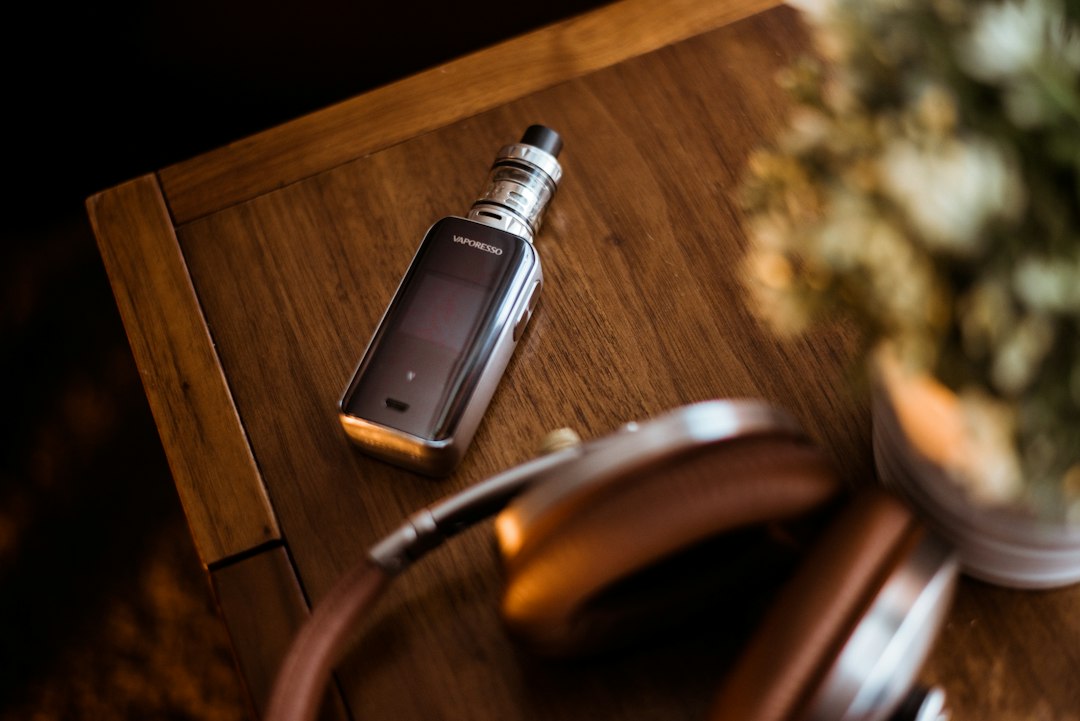
Featured image: Vaporesso / Unsplash. Illustrative photograph only; the pictured device is not identified as counterfeit.