Do Vapes Trigger Smoke Alarms? What Detectors Can Sense
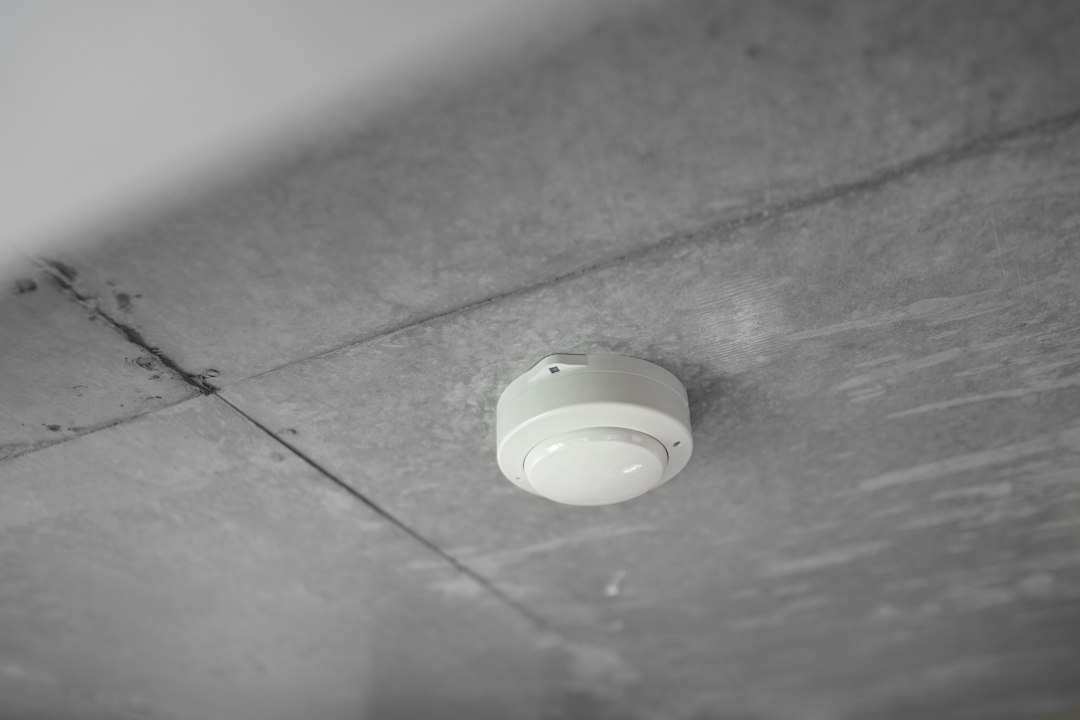
Yes, vaping aerosol can set off certain smoke alarms. A smoke detector may respond to airborne particles and droplets, not only smoke from burning material. Queensland Fire Department specifically warns against vaping near smoke detectors, and Fire and Rescue NSW identifies aerosol and steam as possible causes of unwanted alarms. The answer to do vapes trigger smoke alarms is therefore yes, sometimes, but not every device or exposure produces an alert.
Alarm behavior depends on the detector type, particle concentration, air movement and the building’s equipment. There is no reliable universal puff count or distance that guarantees an alarm will stay silent. The safe response is to respect smoke-free rules and never tamper with a working fire detector.
Table of contents
Why vaping aerosol can activate a detector
An e-cigarette heats liquid to produce an aerosol: very small liquid droplets and other constituents suspended in air. This is different from burning tobacco, but it is not simply invisible water vapor. The CDC notes that e-cigarette aerosol can contain particles, nicotine and other potentially harmful substances.
Some smoke detectors are designed to respond when particles change the movement of light or the electrical conditions inside a sensing chamber. Depending on the detector’s design, airborne droplets or aerosols can resemble the signal from smoke closely enough to create an unwanted alert.
A person cannot determine a detector’s sensitivity by looking at its cover. Detection behavior can also differ after maintenance, contamination or changes to a building’s ventilation. An alarm is an important safety system even when an activation later turns out to have no fire behind it.
Do vapes trigger smoke alarms in every building?
No. Exposure sufficient to activate one detector may not activate another, and building alarm systems are not all configured in the same way. Some systems have standalone alarms; others connect multiple detectors to a central fire panel or a monitored service.
Queensland Fire Department advises building users not to vape where aerosol can reach a smoke detector. Fire and Rescue NSW includes aerosols among several possible sources of unwanted automatic fire alarms. These official warnings demonstrate the possibility of triggering an alarm, not a promise about exactly when it will occur.
An apparently quiet room also does not establish that a system is inactive. Avoid treating lack of an alert during earlier vaping as proof that future use will not activate the detector.
Photoelectric versus ionization smoke detectors
Two widely known household detector technologies are photoelectric and ionization. Photoelectric devices commonly use light-scattering or light-obscuration methods to identify airborne particles. Ionization devices measure changes in current inside an ionization chamber when particles enter.
Both technologies are intended to detect signs of fire, but their response characteristics differ. The exact sensing threshold and combination of components vary by model. Some combination or multisensor alarms use more than one technology.
It is an oversimplification to say that one type always detects aerosol and the other never does. If you are wondering do vapes trigger smoke alarms of a specific brand, only appropriate technical testing or the manufacturer’s verified documentation can characterize its behavior. Do not conduct an improvised live test with aerosol in an occupied building.
Smoke alarms, heat alarms and CO alarms are different
A standard smoke alarm senses signs associated with smoke particles. A heat alarm responds to a temperature or a rate of temperature increase. A carbon monoxide alarm detects carbon monoxide gas. They are different products, often installed to meet different requirements.
Some modern buildings also have dedicated environmental or vaping-detection sensors. Their purpose and capabilities are not necessarily the same as those of a fire alarm. A dedicated vape sensor may monitor air changes or other indicators without being a conventional smoke detector.
Do not assume that because one detector did not activate, every safety or monitoring device is unaffected. Building management and the equipment documentation are the correct sources for details about the installed system.
Can a smoke alarm distinguish vape aerosol from fire smoke?
Not perfectly in every circumstance. Smoke detectors typically respond to a physical or optical condition in the surrounding air rather than reading a detailed chemical ingredient label. Steam, dust and aerosol sprays are documented causes of unwanted activation in some environments.
Fire and Rescue NSW lists poor ventilation, cooking fumes, steam, aerosol sprays and other causes of false alerts. That does not mean an alarm should be ignored if vaping occurred nearby: an actual fire can happen at the same time.
Never dismiss a sounding alarm as definitely caused by e-cigarette aerosol. Treat the alert as a potential fire and follow the building’s emergency procedure.
What determines whether an alarm activates?
Several factors can influence detector response, but none provides a dependable way to make vaping safe or permissible near an alarm.
- Detector design: sensing technology, calibration and condition affect its response.
- Airborne particles: the type and concentration of droplets or particles entering the sensor matter.
- Air circulation: ventilation and air currents change where aerosol moves.
- Building configuration: a monitored or linked alarm system can respond differently from a standalone unit.
- Other nearby sources: smoke, cooking fumes, dust, steam and sprays can affect the local environment.
- Maintenance: dirty or damaged devices may malfunction and need qualified inspection.
These are explanations of detector behavior, not instructions for avoiding detection. Smoke-free rules and alarm safety should take priority over any attempt to experiment with these factors.
Why “no visible cloud” is not proof of no alarm risk
An aerosol can become difficult to see as particles disperse or as lighting and humidity change. Visibility is not a direct measurement of the amount of airborne material reaching a detector. A smaller visible exhalation does not prove zero aerosol release.
For that reason do vapes trigger smoke alarms cannot be answered by measuring only the size of a visible cloud. A detector responds to conditions near its own sensing chamber, not to the appearance of the exhalation from the other side of a room.
For an explanation of visibility versus actual aerosol, see what happens when people try to zero a vape. That behavior does not make aerosol harmless or exempt someone from indoor restrictions.
What should you do if an alarm sounds?
Treat every unexpected smoke alarm as a real warning until responsible personnel have ruled out a fire. Leave the area as directed by the emergency plan and contact emergency services or building staff when appropriate. Do not stay inside to determine whether your vaping caused the alert.
Never cover, disconnect, remove batteries from or disable a fire alarm to prevent an alert. Do not use a detector’s silence or reset control as a substitute for a fire check. In monitored buildings, follow the trained staff’s emergency instructions and report the event accurately.
If unwanted activations recur, the property owner or a qualified fire-alarm technician should assess the system and the relevant environmental conditions. Occupants should not make unauthorized modifications.
What about hotels, offices, schools and rental homes?
Indoor vaping rules can be set by law, a lease, a workplace policy or building management. A hotel’s “no smoking or vaping” policy may apply even when the liquid contains no nicotine and even if the smoke detector never sounds.
Activation of a monitored fire alarm can also involve emergency responders and operational consequences. Queensland Fire Department describes how unwanted monitored alarms can create costs for building operators. The exact fees and enforcement rules differ by jurisdiction and must not be assumed from another location.
If the location prohibits vaping, comply with the rule. Asking do vapes trigger smoke alarms should not lead to trying to identify which indoor areas are least likely to be monitored.
Does nicotine content affect the fire alarm?
An alarm’s particle or aerosol response is not an assay of nicotine concentration. A device labeled nicotine-free may still create droplets and other airborne material. Consequently, a 0 mg/mL label does not guarantee that an aerosol will not activate smoke-sensing equipment.
Nor does aerosol visibility identify the health risk. The CDC explains that even e-cigarette aerosol marketed as nicotine-free can involve substances of concern. The safe indoor-air decision is separate from whether a specific detector responds.
Frequently asked questions
Can vaping set off a hotel smoke alarm?
Yes, it can. Detector design and building monitoring vary. Follow the hotel’s no-vaping policy and never attempt to cover or disable an alarm.
Will one puff always activate a smoke detector?
No universal rule exists. Detector type and conditions matter, but a small amount of aerosol is not a verified guarantee that an alarm will remain silent.
Is a heat detector the same as a smoke detector?
No. Heat detectors respond to heat-related conditions; smoke detectors respond to signs associated with smoke particles. A building may contain multiple systems.
Do nicotine-free vapes trigger detectors?
They can. Nicotine-free labeled liquid can still generate aerosol droplets. Nicotine concentration is not an alarm-sensitivity measurement.
If the alarm sounds after vaping, can I assume there is no fire?
No. Respond according to the emergency plan until the cause has been properly investigated. An alarm should never be dismissed simply because vaping happened nearby.
Final answer
So, do vapes trigger smoke alarms? Yes, aerosol from an e-cigarette can activate some smoke-detection systems, but the outcome depends on the device and environment. No universal distance, puff count or visible cloud size guarantees a detector will not respond. Respect indoor restrictions, keep smoke alarms functional and treat every alarm as a possible emergency.
Another consideration when asking do vapes trigger smoke alarms is the response procedure. Building occupants should know evacuation instructions and allow authorized personnel to investigate rather than experimenting with the detector.