Types of Vapes Explained: Pods, Pens, Mods and Disposables
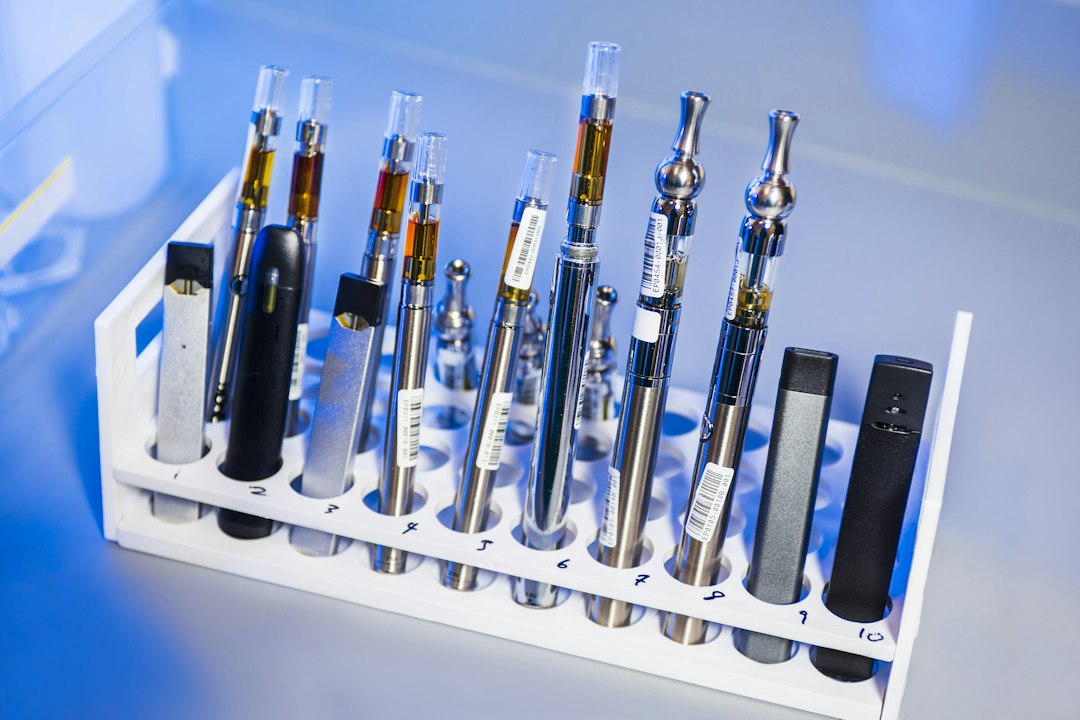
The main types of vapes are disposable devices, prefilled pod systems, refillable pod systems, vape pens, and vape mods. They differ in how liquid is stored, which parts can be replaced, whether the battery is reused, and how much control the device offers. The shape alone does not tell you whether a product is refillable, rechargeable, or safe.
For a clear comparison, it helps to separate device design from marketing names. Health Canada groups vaping devices into open systems, which users refill, and closed systems, which use prefilled cartridges or are discarded as complete devices. This distinction is more useful than appearance when comparing the types of vapes available.
Table of contents
Types of Vapes at a Glance
| Device category | Liquid container | Battery | Typical maintenance |
|---|---|---|---|
| Disposable | Factory-filled, not intended for refilling | Single-use device, sometimes rechargeable | Dispose of entire device through an appropriate collection program |
| Prefilled pod system | Replaceable sealed pod | Reusable and rechargeable | Replace pod; keep contacts clean |
| Refillable pod system | User-filled pod | Reusable and rechargeable | Refill, replace pod or compatible coil |
| Vape pen | Often refillable tank | Usually rechargeable | Replace coil or compatible cartridge |
| Vape mod | Often detachable tank | Internal or removable rechargeable cell | Maintain tank and coil; follow battery instructions |
| Pod mod | Replaceable or refillable pod | Reusable, often adjustable | Replace pod or coil and follow power limits |
These types of vapes are descriptive categories rather than universal technical standards. Some products cross boundaries, and manufacturers may use the same name for different designs.
What All E-Liquid Vapes Have in Common
Most electronic nicotine-delivery devices contain a power source, heating element, liquid reservoir and mouthpiece. A coil or other heating assembly warms the liquid and produces an inhalable aerosol. The aerosol is not simply water vapour. The ingredients, operating temperature and device condition affect what is released.
A pod is a liquid cartridge, while a tank is another type of reservoir. Neither term tells you how much nicotine is present. Likewise, a rechargeable battery does not automatically make the liquid chamber refillable. These distinctions prevent common mistakes when reading a product description.
The Health Canada overview of vaping devices explains the open-versus-closed distinction and identifies the usual components. The CDC’s device overview explains the range of shapes and designs.
1. Disposable Vapes
A disposable vape is supplied with liquid already inside and is not intended to be refilled. Some have a battery that can be recharged to use the remaining liquid. This does not convert the device into a refillable system. Once its usable liquid or components are exhausted, the complete product reaches the end of its intended service life.
Packaging may advertise a large number of puffs, but puff counts depend on the testing method and how a person uses the product. A printed number is not a guaranteed number of inhalations. Battery capacity and liquid volume are different specifications, and neither independently proves a device’s real-world lifespan.
Single-use products also create a disposal problem because they contain electronics, batteries and sometimes residual nicotine liquid. Never puncture, crush, burn or dismantle a discarded unit. Follow local collection rules for electronic devices and lithium batteries. The FDA’s vaping-device information links to disposal guidance.
2. Prefilled Pod Systems
A prefilled pod device uses a reusable battery unit and replaceable cartridges filled at the factory. When a cartridge is empty or no longer functions properly, the user replaces that pod rather than refilling it. The battery unit normally remains in service until it fails or reaches the end of its usable life.
Pods are often specific to a device family. A pod that looks similar may have a different connector, resistance, airflow design or electrical requirement. Use only the cartridge specified by the manufacturer. Never force an incompatible pod into a device or attempt to open a sealed cartridge.
For readers comparing types of vapes, prefilled pod systems sit between a fully disposable product and a refillable device: the power unit is reused, but each sealed liquid cartridge is replaced. They still generate packaging and cartridge waste, and the liquid strength must be read from the label.
3. Refillable Pod Systems
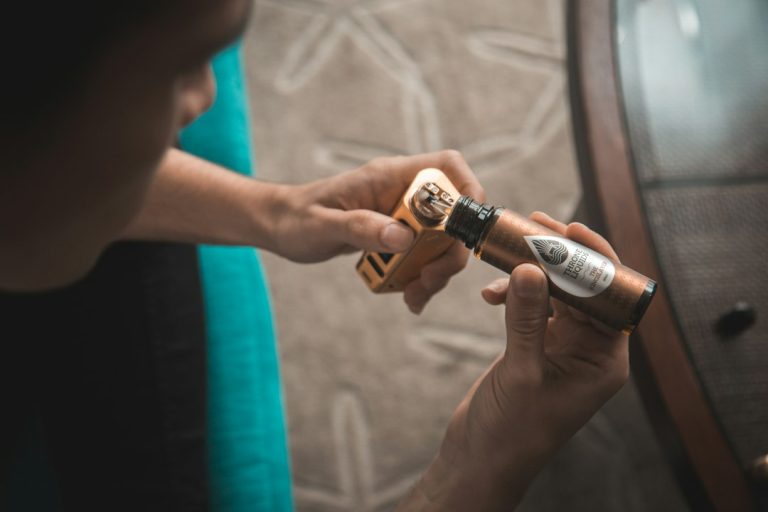
A refillable pod has a fill port or other manufacturer-designed opening for adding compatible e-liquid. The pod may contain an integrated coil that is replaced with the pod, or it may accept a separately replaceable coil. These designs are not interchangeable, so the manual matters more than the marketing term.
Users should follow the specified fill level, liquid compatibility, coil instructions and waiting period for a new wick. Overfilling, damaged seals and worn pods can contribute to leakage. If liquid reaches electrical contacts, stop using the device and follow the manufacturer’s cleaning and troubleshooting directions. Never charge a visibly wet or damaged device.
A refillable system does not mean every liquid is suitable. The manufacturer may specify viscosity, coil resistance or operating range. Using an unsuitable formulation can affect wicking and performance. Do not add oils, household substances or homemade additives to nicotine vaping devices.
4. Vape Pens
Vape pens describe a long, narrow body shape rather than one universal internal design. Many nicotine vape pens use a rechargeable battery with a refillable tank and replaceable coil. Others use proprietary cartridges or sealed assemblies. Some activate when the user inhales; others have a button.
Because the name describes appearance, the first questions should be practical: Does the pen use a tank or pod? Is its cartridge refillable? Which coil or cartridge fits? Does the battery recharge? A pen-shaped device can belong to several different technical categories.
Some product pages use “vape pen” to describe devices intended for different substances. A nicotine e-liquid device must not be assumed compatible with cannabis extracts, oils or other materials. Follow the exact manufacturer’s intended use and local laws.
5. Vape Mods and Tank Systems
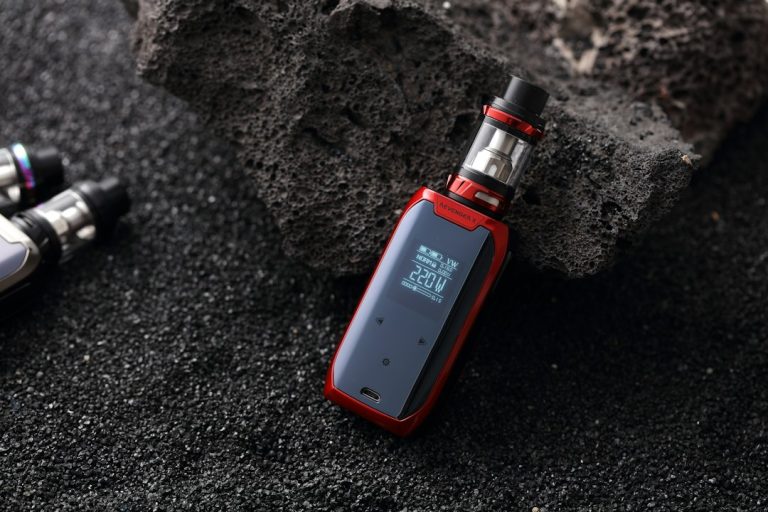
A mod is usually a larger power unit that may offer adjustable wattage, a display, or other electronic controls. Many connect to a separate tank that holds e-liquid and contains a replaceable coil. Some mods have built-in batteries, while others use removable lithium-ion cells.
Greater adjustment does not automatically mean a better or safer experience. Incorrect power settings can overheat liquid or damage the coil. Users must respect the coil’s rated operating range and the device’s safety instructions. Mechanical mods and user-built coils introduce additional electrical risks and should not be treated as equivalent to regulated devices with built-in protections.
Removable batteries require particular care. Keep spare cells in protective cases and away from keys or coins. Never use torn battery wraps, damaged cells or incompatible chargers. Health Canada advises following manufacturer charging instructions and not modifying devices.
6. Pod Mods: A Hybrid Category
Pod mods combine a pod-style liquid chamber with some features associated with adjustable mods. They may offer variable power, larger batteries or airflow adjustment, while still requiring model-specific pods. Among the types of vapes, this name does not guarantee a particular wattage, inhalation style or refill method.
Check the pod and coil ratings together with the power unit’s specification. A pod mod can be refillable or designed around replaceable cartridges, depending on the product. Compatibility claims should come from the manufacturer’s documentation rather than visual similarity.
Open vs Closed Systems: The Most Useful Distinction
Health Canada’s classification cuts across the familiar types of vapes. An open system is intended for manual filling with suitable liquid. A closed system relies on prefilled components or a complete device that is discarded. A rechargeable device can still be closed, and a compact pod device can be open.
Open designs allow replacement of liquid without necessarily replacing the whole device, but they require careful filling and maintenance. Closed designs reduce handling of loose liquid but create recurring cartridge or device waste. Neither category removes the risks associated with nicotine exposure, battery faults or inhaled aerosol.
How to Read Device Specifications Without Guessing
Battery capacity in mAh
Milliampere-hours describe nominal battery capacity under specified conditions. A larger number does not directly translate into a fixed number of puffs or days of use. Power demand, battery condition, temperature and usage pattern matter. Do not confuse mAh with charging speed or electrical safety.
Wattage and coil resistance
Watts describe power delivered to the heating system. Coil resistance is commonly shown in ohms. The appropriate operating range depends on the specific coil and manufacturer. Higher wattage generally increases heating demand, but aerosol output and exposure cannot be inferred from wattage alone.
Liquid volume and nicotine concentration
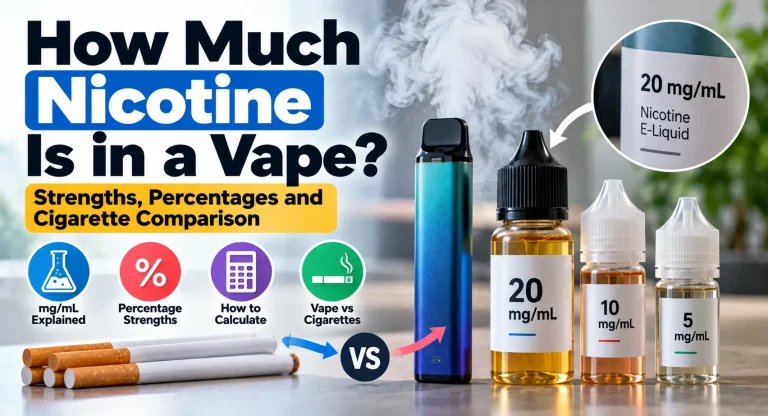
Millilitres measure liquid volume. Nicotine strength is often shown as milligrams per millilitre (mg/mL). These are different measurements. For example, a concentration tells you how much nicotine is in each millilitre of liquid, not how much a person absorbs in one puff. Absorption varies by device and behaviour.
MTL, RDL and DTL
These abbreviations describe inhalation styles: mouth-to-lung, restricted direct-lung and direct-to-lung. They are not independent device categories or safety ratings. A given product may support more than one style, depending on its airflow, coil and settings.
Safety, Nicotine and Canadian Label Rules
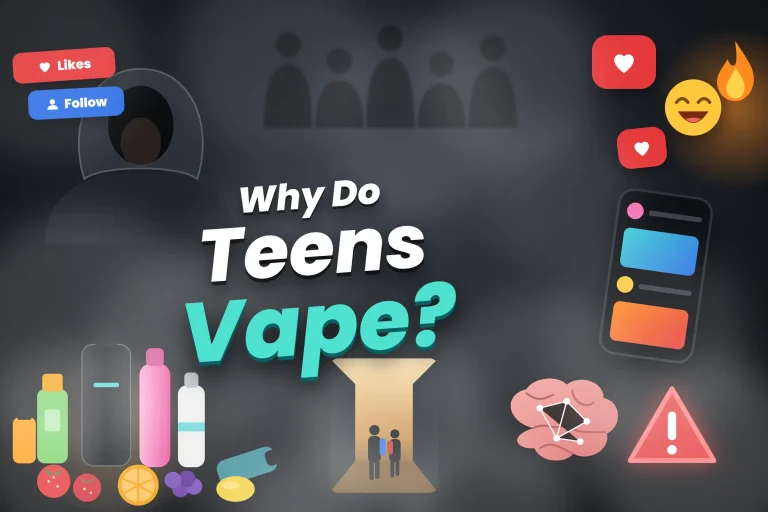
All types of vapes carry risks. Nicotine can cause dependence, and vaping aerosol can contain harmful chemicals. People who do not use nicotine or tobacco should not begin vaping. Youth and pregnant people should not use these products. Adults who smoke and want to quit can seek evidence-based cessation support from a healthcare professional.
For Canada, Health Canada states that legal nicotine-containing vaping products are subject to a maximum nicotine concentration of 20 mg/mL, along with packaging and labelling requirements. Provincial rules may impose further restrictions. Check the current requirements where a product is sold or used rather than assuming a foreign product label is valid in Canada.
Nicotine-containing liquid can poison children and pets if swallowed and can be harmful through skin contact. Keep devices and liquids secured out of sight and reach, use child-resistant closures, and follow the label’s emergency instructions. A child-resistant cap is not a substitute for safe storage.
Battery safety applies regardless of the device category. Stop using a unit that swells, becomes unusually hot, emits an abnormal smell, shows damaged wiring, or behaves unpredictably. Do not leave charging devices unattended, and do not attempt improvised repairs. See Health Canada’s vaping product safety guidance and its health-risk overview.
Common Questions About Vape Device Categories
Are disposable vapes rechargeable?
Some are. Rechargeability only means the battery can receive another charge. It does not mean the liquid reservoir is designed to be opened or refilled. Never charge a device that the manufacturer identifies as non-rechargeable.
Is a pod vape the same as a disposable?
No. A pod vape generally uses a reusable battery with a replaceable or refillable pod. A disposable is intended to be discarded as a complete device at the end of its service life. Marketing language sometimes blurs this distinction, so inspect the actual design.
Are mods always more powerful than pens?
Not necessarily. These labels are broad and overlapping. Check the actual wattage range, coil compatibility and battery specifications instead of assuming performance from the product’s shape.
Can every vape use nicotine-free liquid?
No. Some devices are sealed and cannot accept any alternative liquid. Refillable devices must use liquids compatible with their design, and regional laws differ. A “nicotine-free” claim also does not establish that inhaling the aerosol is harmless.
Which category produces the least waste?
There is no universal ranking without considering how long components last, battery replacement, cartridge disposal and local recycling systems. Reusable power units avoid discarding a complete battery with each liquid replacement, but all devices eventually become electronic waste.
Bottom Line
The most useful way to compare the types of vapes is to identify whether the device is open or closed, which components are reusable, how the battery is charged, and which parts are compatible. Disposables, pods, pens and mods describe different combinations of these features, not different levels of safety. Read manufacturer documentation and local rules before handling any vaping product.
Image credit: CDC, photograph available through Unsplash. Editorial information only; not a recommendation to begin vaping.