What Is Vape Juice? E-Liquid Ingredients and Labels Explained
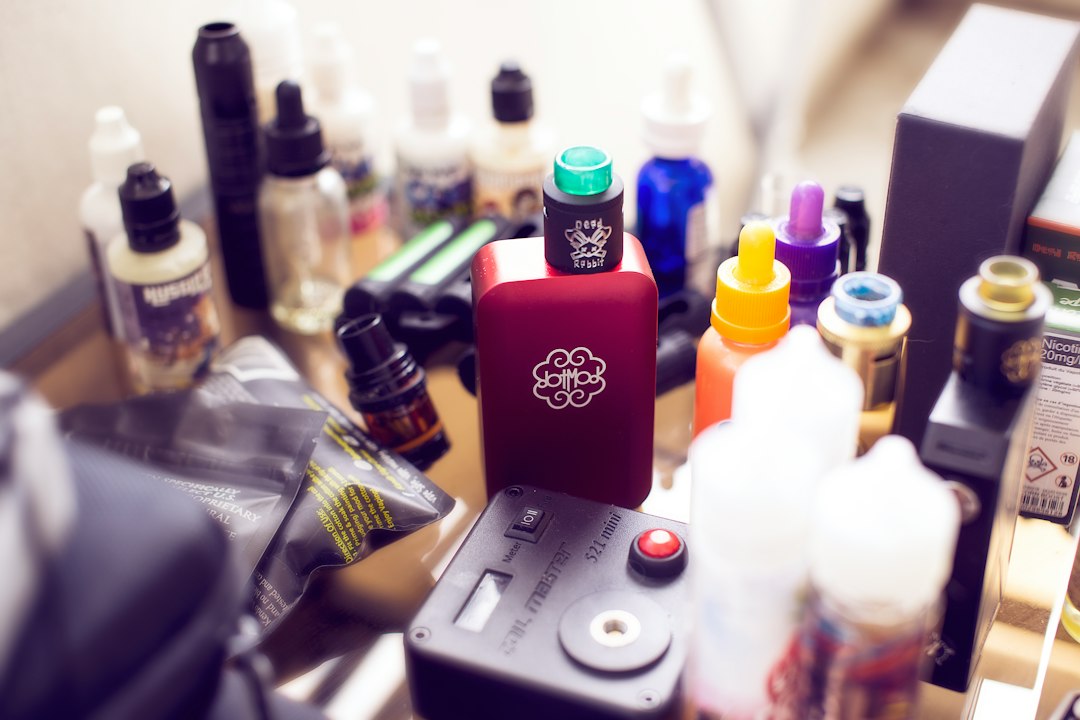
Vape juice is the liquid used in electronic cigarettes and many pod or tank devices. Manufacturers also call it e-liquid, e-juice or vaping liquid. Typical ingredients include propylene glycol (PG), vegetable glycerin (VG), flavoring substances and, in many products, nicotine. The device heats this mixture and produces an inhalable aerosol. So what is vape juice is a question about a liquid formulation, not the smoke from burning tobacco.
Not every bottle has the same recipe or nicotine content. An ingredient described as acceptable to eat is not automatically safe to inhale, and the aerosol produced during heating can contain substances that were not present in exactly the same form in the unheated liquid.
Table of contents
What is vape juice made from?
The starting point for what is vape juice is that most commercially manufactured nicotine e-liquids use two major carrier liquids plus optional nicotine and flavorings. The FDA lists propylene glycol, vegetable glycerin, nicotine and flavoring ingredients among common components of electronic nicotine delivery products. Some formulas include other additives or water, so there is no single recipe covering every brand.
- Propylene glycol (PG): a relatively thin liquid used as part of the base and to dissolve other ingredients.
- Vegetable glycerin (VG): a more viscous, glycerol-based component that also contributes to aerosol formation.
- Nicotine: the addictive chemical present in many, but not all, e-liquids.
- Flavoring chemicals: individual compounds or blends used to create a declared taste or aroma.
- Other formulation ingredients: acids, sweeteners, water or other additives can appear depending on the specific product.
Ingredients should be verified from the actual product labeling and credible manufacturer information. Packaging may be incomplete, inaccurate or difficult to interpret. A generic online list cannot certify what a particular bottle contains.
Propylene glycol and vegetable glycerin
PG and VG are often called base liquids or carriers. They help dissolve or hold other ingredients and can be heated into an aerosol. VG is more viscous than PG, which can affect how liquid moves through a coil and wick. A device maker may specify a compatible range of liquid types, so a formulation intended for one system may not behave as intended in another.
A printed ratio such as 50/50 usually describes the stated proportions of the PG and VG components. Different brands may present ratios in a different order, so read the label rather than assuming which number comes first. The ratio does not reveal every additive, guarantee a nicotine dose or show the product’s overall safety.
The question what is vape juice also includes what those carrier ingredients do after heating. The resulting aerosol is not simply pure steam. Public health agencies caution that it can contain particles, metals, volatile compounds and other potentially harmful substances.
Why is nicotine added?
Nicotine is the addictive ingredient in many e-liquids. Concentrations may be labeled in milligrams per milliliter (mg/mL) or as a percentage. For example, a product labeled 20 mg/mL is typically described as 2% nicotine by the common mass-per-volume convention used in vaping product labeling. Product-specific labeling methods can vary, so do not make an assumption without reading it.
The liquid’s labeled concentration is not the same as the amount a person absorbs. Delivery depends on the device, power, puff behavior and formulation. Advertising claims that a bottle provides the same number of cigarettes’ worth of nicotine often hide assumptions that cannot be verified from the label alone.
Some liquids use freebase nicotine; others use nicotine salts, in which an acid is used in the formulation. The difference can affect perceived harshness and delivery characteristics. Our nicotine salt versus freebase guide discusses the distinction without claiming that one form is harmless.
What does nicotine-free e-liquid mean?
A label stating zero nicotine or 0 mg/mL indicates what the manufacturer claims about the formulation. It is not a universal laboratory guarantee. The CDC notes that some products advertised as nicotine-free have been found to contain nicotine. Consumers should not infer that an unverified label proves the absence of every substance of concern.
A nicotine-free liquid can still contain PG, VG, flavorings and other chemicals, and its aerosol can expose users and bystanders to potentially harmful compounds. Avoid treating a zero-nicotine label as an overall health or inhalation safety certification.
Flavorings are not automatically safe to inhale
A food flavor is evaluated for a different type of exposure from breathing aerosol into the lungs. Ingredients allowed in food are not necessarily proven safe when heated and inhaled. Certain flavoring chemicals have raised concern in toxicology and public health research; the specific risks depend on the compound, concentration and exposure.
Flavor names such as mint, fruit or dessert describe marketing categories, not a complete chemical profile. A similar taste does not mean two liquids have identical contents. Manufacturer ingredient disclosures and independent analytical data can be useful, but neither a colorful package nor a review rating establishes inhalation safety.
Do not make DIY mixtures using oils, drinks, medicines, household ingredients or unknown concentrates. A device designed for nicotine e-liquid is not automatically suitable for other materials. Mixing concentrated nicotine also creates preventable exposure risks.
How is vape juice different from vape aerosol?
To explain what is vape juice in relation to aerosol, start with the bottle: it contains a liquid. Inside the device, a heating element raises the liquid’s temperature and generates tiny airborne droplets and other constituents that can be inhaled. That airborne mixture is an aerosol, often casually called vapor. It is not the same thing as clean water vapor, and it is not identical in composition to the unheated liquid.
The CDC reports that vaping aerosol can include nicotine, very small particles, metals and other potentially harmful compounds. The actual composition varies with the device, liquid, heating conditions and use pattern. This is why asking what is vape juice should not be confused with asking exactly what a person inhales during every puff.
To understand the hardware involved, read our separate what is vaping introduction. That article explains batteries, reservoirs, coils and the difference between an aerosol-generating device and a combustible cigarette.
How to read an e-liquid label
Start with the actual product name and manufacturer, then look for the nicotine concentration, bottle capacity, PG/VG ratio when supplied, ingredient list, warnings, batch or lot identification and storage instructions. Check whether the product is a refill bottle, prefilled pod or sealed cartridge. These forms should not be treated as interchangeable.
A bottle labeled 30 mL describes the nominal liquid volume, not the amount of nicotine absorbed. If a bottle says 10 mg/mL nicotine, multiplying 10 by 30 gives a nominal 300 mg of nicotine in the full liquid volume, assuming the stated concentration and fill are accurate. That arithmetic is not a recommendation to consume the liquid and is not a prediction of absorption through vaping.
Marketing labels such as ‘premium,’ ‘organic,’ ‘clean’ or ‘lab-tested’ are not substitutes for clear ingredient disclosures. For technical interpretation, focus on specific measurable information and what evidence supports the manufacturer’s claims.
What can change inside an e-liquid bottle?
Exposure to light, air, heat and long storage can affect some ingredients. The liquid’s appearance can also change, but color alone cannot reliably identify every chemical change or prove that a bottle is safe to use. An unusual odor, a damaged seal or a missing label is reason to avoid using a questionable product rather than perform a taste test.
Follow the stated expiry or best-before date when provided. Do not guess a universal shelf life from how dark or clear a liquid looks. Keep liquids in their intended original containers, away from sunlight and heat, and out of the reach of children and pets.
Liquid nicotine safety at home
Nicotine-containing e-liquid can cause poisoning if swallowed and can be hazardous through skin or eye exposure. Keep all nicotine products secured and in their original containers. Do not transfer the liquid into drink bottles or leave unmarked containers on tables, desks or in bags accessible to children.
If exposure occurs, follow poison-center guidance promptly rather than wait for symptoms. In the United States, Poison Control provides expert assistance through 1-800-222-1222. Serious symptoms require emergency medical care. The appropriate response depends on what happened and the amount involved.
For disposal, do not pour nicotine liquid down a drain or place a battery-containing vape in ordinary recycling. The U.S. EPA recommends appropriate household hazardous waste collection for e-cigarettes. See our safe vape disposal guide for related battery and waste issues.
Frequently asked questions
Is vape juice the same as e-liquid?
Yes, in ordinary nicotine-vaping terminology those names generally refer to the same type of liquid. Individual products still differ in ingredients, concentration and intended hardware.
Does all vape juice contain nicotine?
No. Some e-liquids are marketed as nicotine-free. However, an unverified zero-nicotine claim does not prove there is no nicotine contamination or no other inhalation risk.
Can vape juice contain water?
Some formulations include water or other ingredients beyond the main PG/VG carriers. Do not assume that a liquid is mostly water or that its aerosol is simply steam.
Is e-liquid safe because PG and VG appear in foods?
No. A substance’s food-use status does not establish that inhaling the heated aerosol is safe. The route of exposure and products formed during heating matter.
How can I find the nicotine concentration?
Look for a labeled mg/mL value or percentage and read the exact product’s warning statements. Our nicotine strength guide explains why concentration and actual absorbed dose differ.
Bottom line
The answer to what is vape juice is a formulated liquid, commonly based on PG and VG, with possible nicotine, flavorings and other additives. Its exact ingredients must be checked product by product. Heating changes the exposure from bottled liquid to aerosol, and neither a pleasant flavor nor a nicotine-free label proves that exposure is harmless.